Body and Desire – Family and Dance – Coming-Of-Age and War
Animafest Zagreb 2026 Student Film Competition

Kvantni skok / Quantum Jump (Šimon Mészáros)
From a record-breaking 997 entries, Maida Srabović, David Lovrić and Daniel Šuljić have selected the 38 best ones for the Animafest 2026 Student Film Competition – a programme that, on the one hand, offers insight into new uninhibited ideas, stories and aesthetics, but which every year also reveals at least one authentic masterpiece to attentive viewers. This year, visitors will see at least two such works, along with a handful of other imaginative, beautiful and thought-provoking films, and they will not even have to pay an entrance fee, as access to the Animafest Student Film Competition is once again free. In this competition, as well as in the Croatian Film Competition, the Croatian author Melita Sandrin, who stems from the ŠAF school in Čakovec, is also competing – her film Arachnophobia was made under the auspices of the Slovenian University of Nova Gorica.
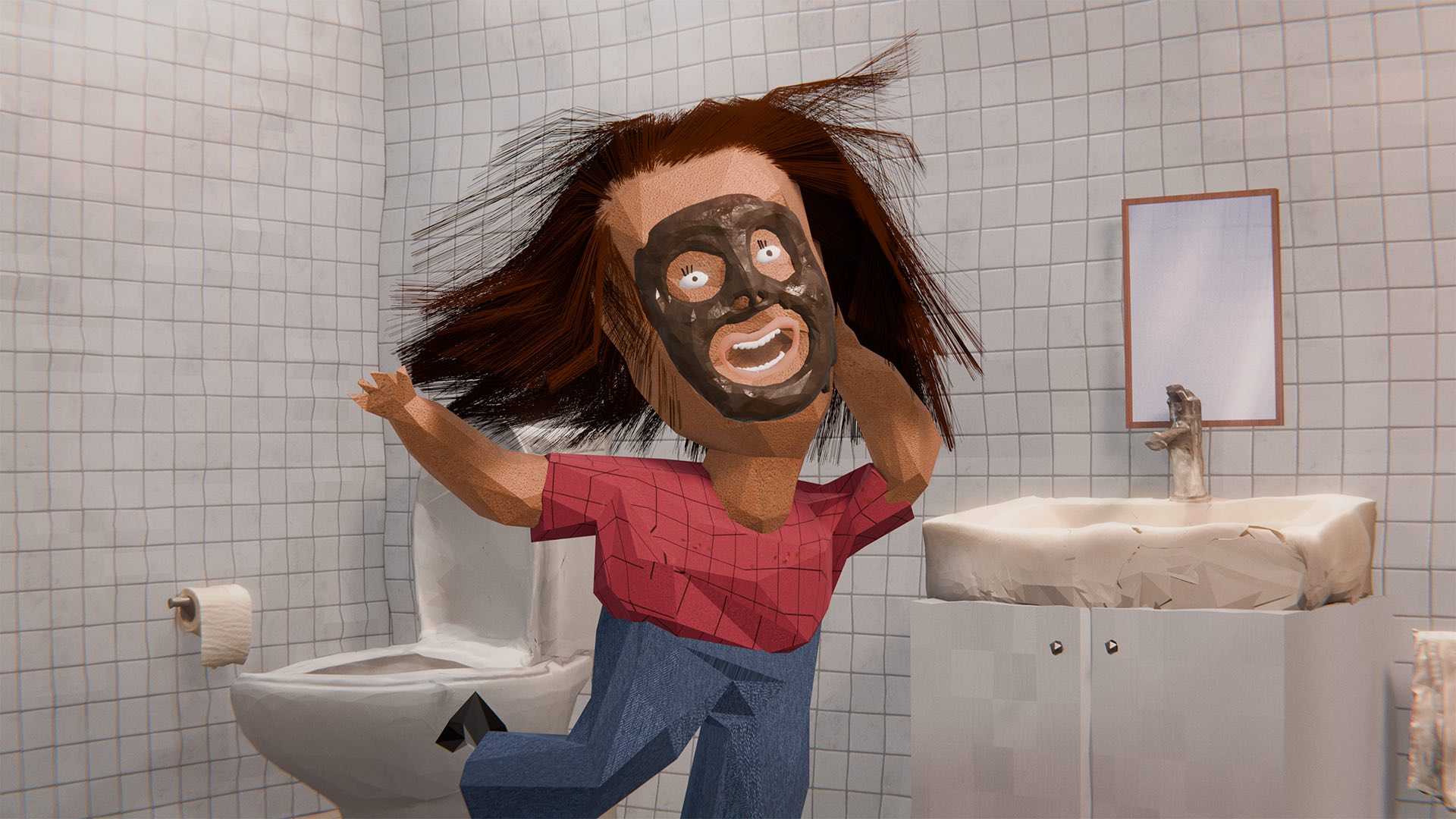
First of all, it is worth to mention Ekaterina Zhuzhleva’s Things That I Was Gathering and Tommaso Zerbi’s Time Flies. The first is a moving autobiographical story about an imprisoned opponent of the Russian regime, executed partly in a comic, Tintin-like, bande dessinée manner, and partly through the archive and drawn personal objects, arranged in a minimalist set design. The second is a 3D metacinematic black humour miniature of a frenetic rhythm that deals with everything that can be done in the three and a half minutes of the film itself, including a whole series of unfortunate incidents that can befall us in that time. This way, the film is also a very original advocacy of slowness and pausing in life. Both works originate from the RE:ANIMA master’s course created in collaboration with three schools from Portugal, Belgium and Finland – winners of the Animafest 2026 Best Animation School Award.
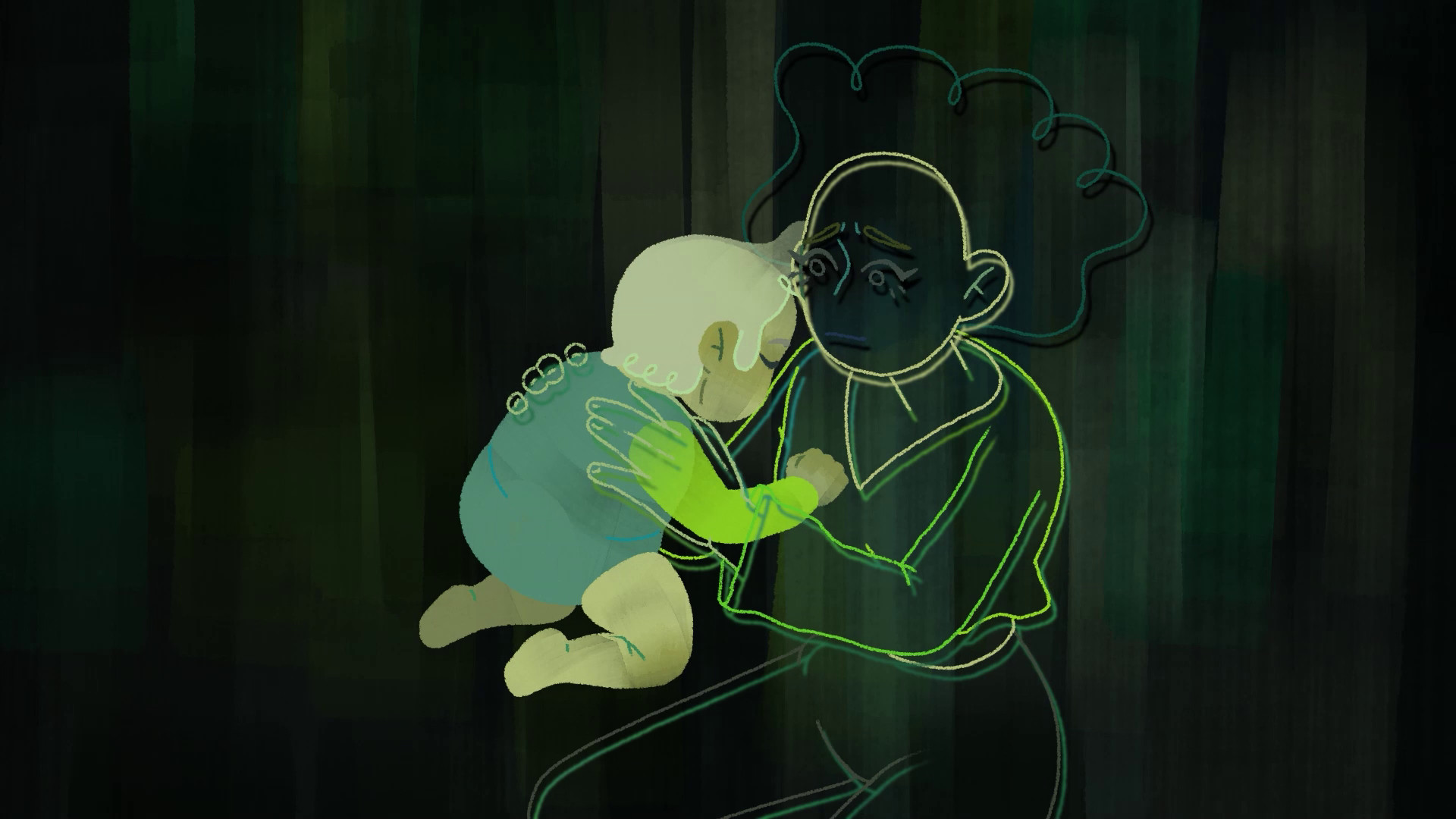
To Bloom Again (dir. Natálie Durchánková), a Czech work subtitled ‘Five Stages of Grief', is an exceptionally directed and edited, psychologically convincing, and in its symbolism and draftsmanship measured film about the mental state of a woman after a miscarriage. This indispensable work of the Student Film Competition, but also of Animafest 2026 as a whole, which simultaneously stands out for its empathy and ‘transparency’ of form and content, and a rhythm that, despite the difficult topic, is not tiring in the least, is a world premiere. Goodbye Waves (dir. Yang Ruihan, Japan) is a gentle seaside solo melodrama drawn on paper and given, unlike many films about chronic loneliness, through subtle details, a melancholy atmosphere, everyday actions and slightly blurred imaginations of a woman who is hopelessly waiting for the man she longs for. It is a film of classic animated beauty of transition and visual poetry that has rarely been seen since the mid-1990s.
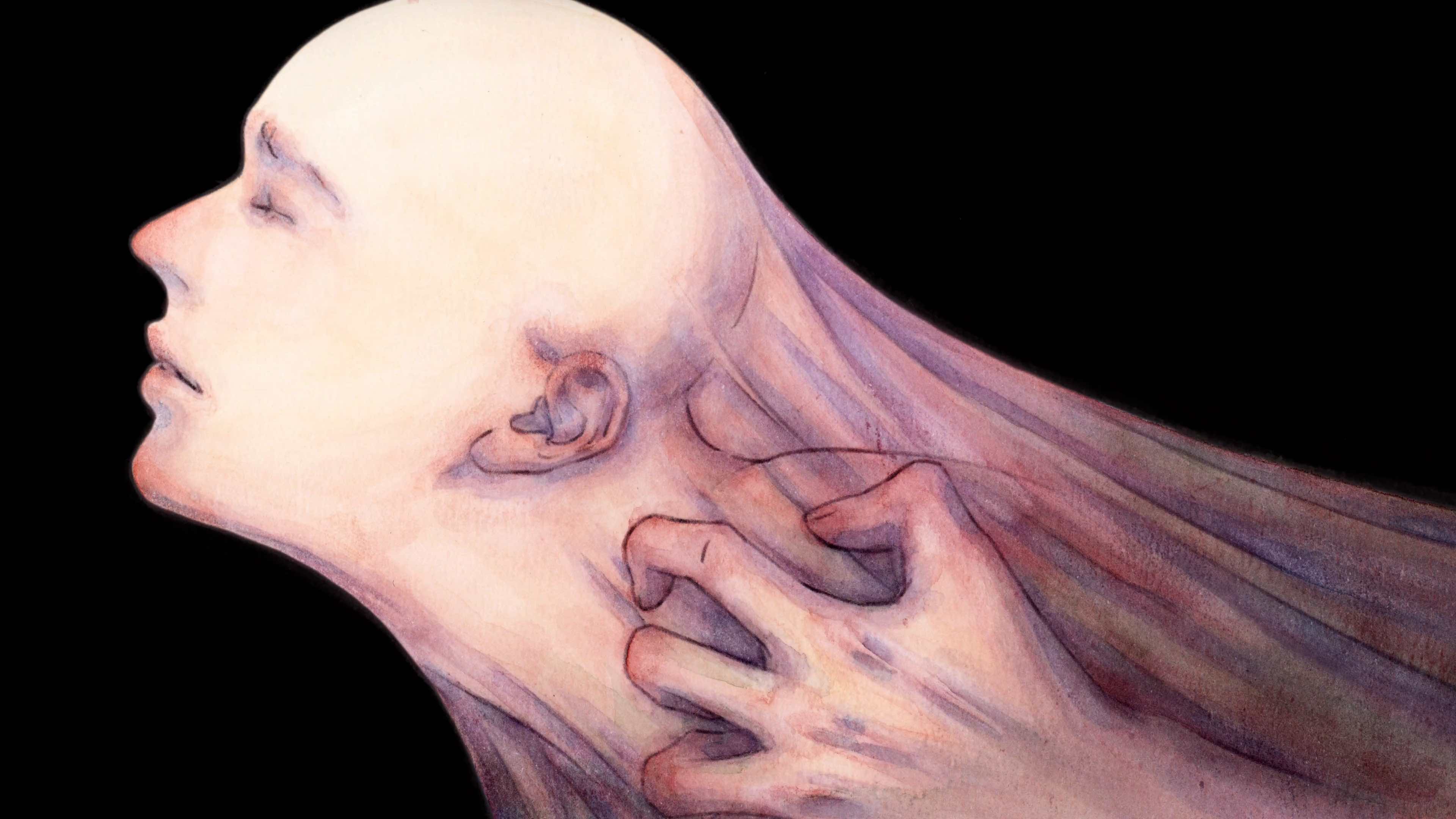
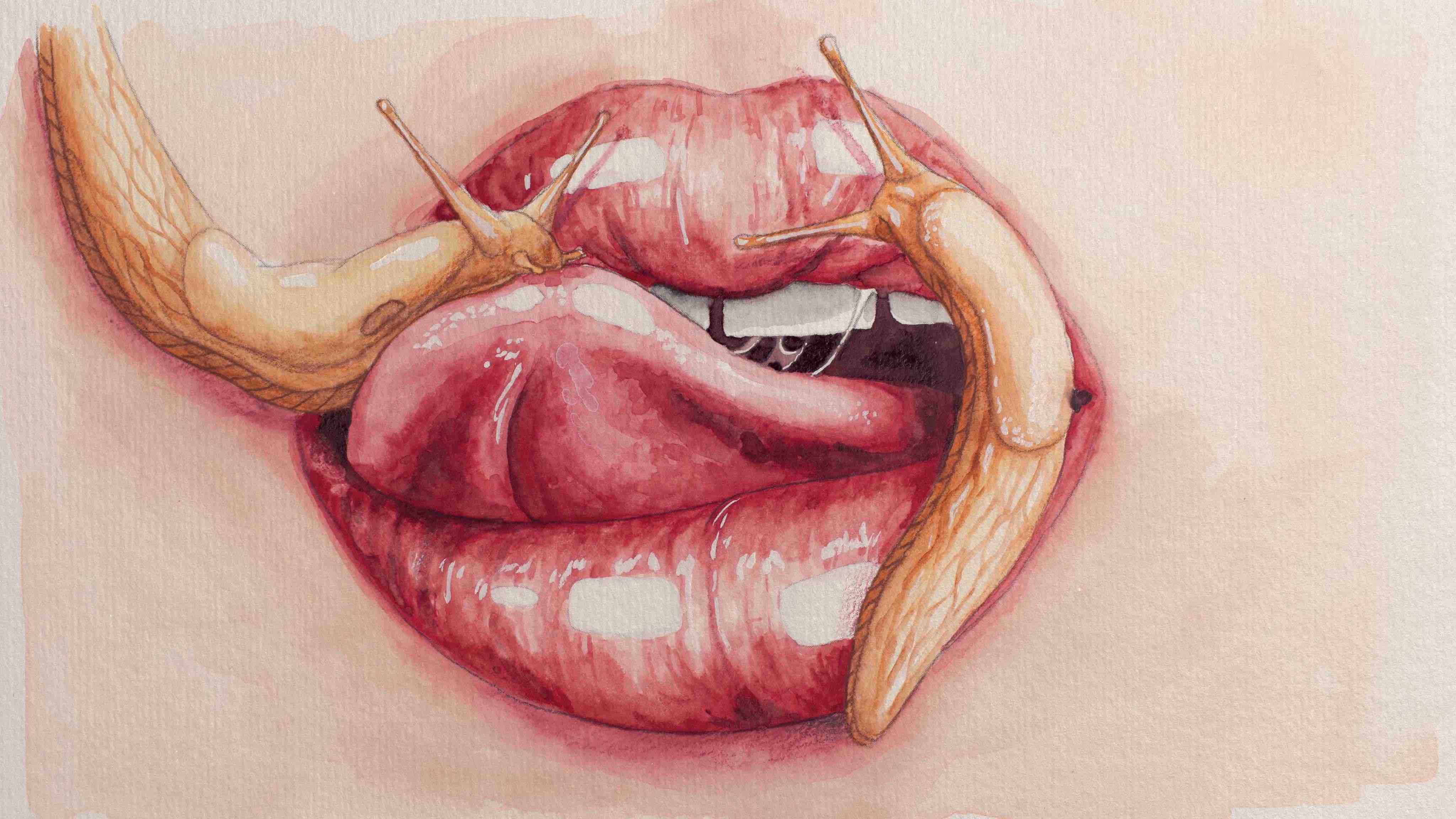
Among the finest examples of the unbridled originality of the new generation of animators is certainly the Korean black-and-white Fingerbang (dir. Yeonwoo Kim, also a world premiere), which, with a strong graphite and layered shaded aesthetics and talented motif variations, tells a twisted and bizarre, surrealistic-fetishist story about an alienated girl’s erotic fixation on fingers and touches. The sensual British The Eating of an Orange (dir. May Kindred-Boothby), whose fruity and snail-like metaphors can be understood as a depiction of lesbian tendencies, but also as a more general private ‘realm of the senses’ within a strange dehumanised convent, draws on avant-garde art, particularly Magritte, De Chirico and fauvism. Slugs are also among the erotic protagonists of the German watercolour Sensual (dir. Tanja Nuijten), in which, together with jellyfish, octopuses, snakes, eels, bears, tigers and other menagerie, they caress the female body in a distinctive, peach-coloured metaphor of closeness, tenderness and sexual foreplay. On the opposite side of the ‘carnal spectrum’, the bizarre-witty free jazz Spanish etude Insecticide (dir. Paula Gallego González) uses both stop-animation and raw drawing to depict an insect-like dance as a possible commentary on the pernicious irresistibility of pornographic screens. Speaking of bodies and insects, cutout and object animated Foreign Bodies (dir. Lysander Wong, United Kingdom) is a tangible psychological horror that embodies neuroses related to the body (such as mysophobia) as small animals that break out of it. The short Italian-French grotesque Visiting the Zoo (dir. Maria Zilli) reifies the animal urges and imaginations of an ensemble of ordinary citizens to the rhythms of the Italian art-rock band Moblon, but will remind connoisseurs of world animation of Estonian ‘ethics and aesthetics’.
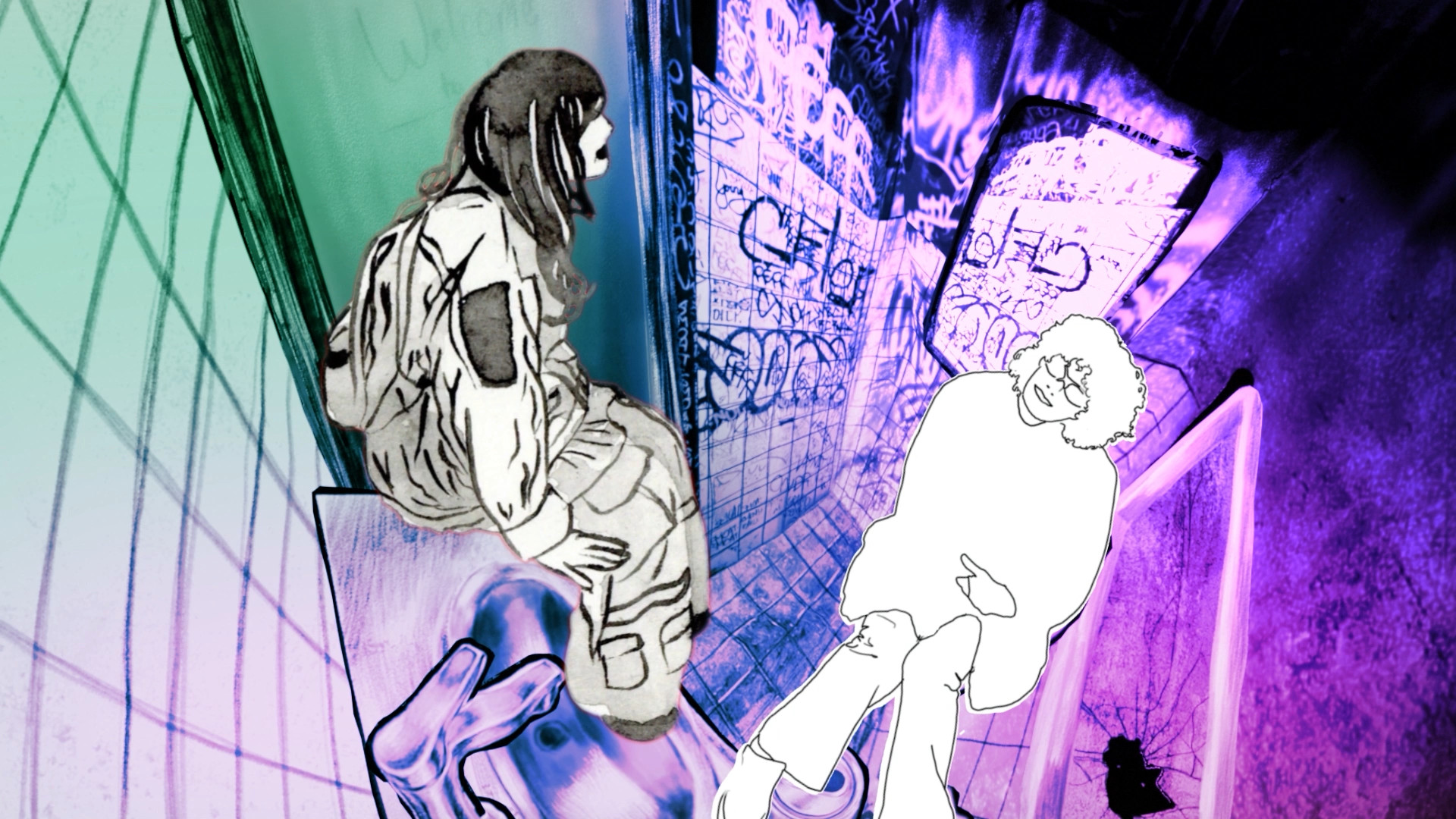
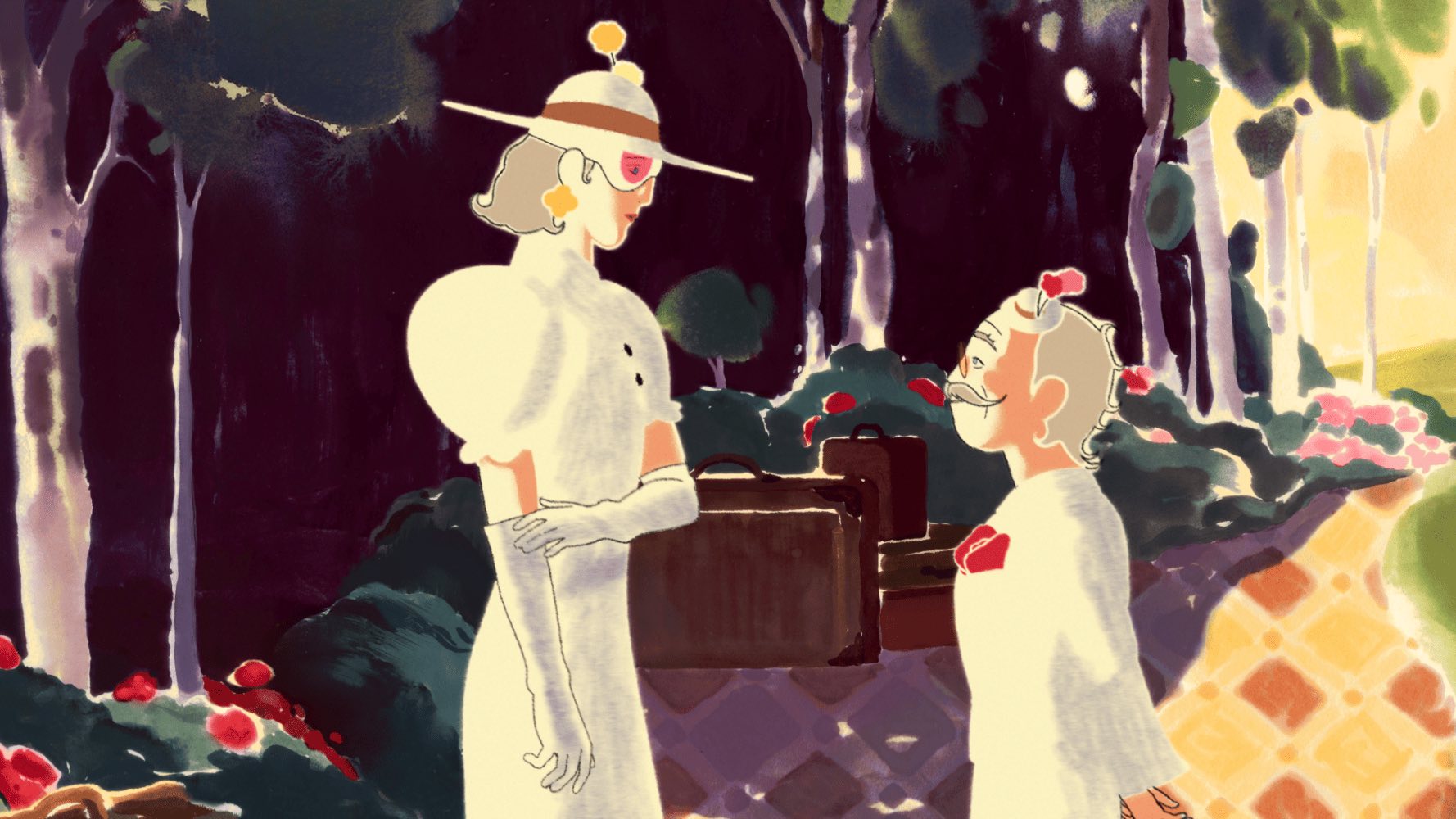
Acid Echo (dir. Elsa Moulin, France) is a rotoscoped, 3D and hand-drawn film – as technically complex, layered and ‘French philosophical’ as the subject of the self-reflexive psyche of the girl it deals with – but also a distinctly trippy subcultural rave work ‘from the metropolitan underground’ whose perspective will remind many animation fans of the modern classic Acid Rain, not only because of its title. However, the film is also stylistically completely its own, including the suggestion of the possible trauma of sexual assault and unique design that will remain with the viewer after the screening. The unusual, darkly humorous melodrama of truly ‘comprehensive scope’ We Will Meet Again (dir. Yuseon Park, South Korea) follows particles separated at the beginning of the Earth through eons of transformations into different beings until they meet again, but it mostly focuses on a singular contemporary situation in which the particles find themselves in the forms of dolphin, monkey, man, woman and flowers. This parable about contrasting sides of love, possessiveness and selfishness is characterised by an exceptional sense of direction and editing that successfully cover a large time span, as well as striking graphic solutions and colours. No less visually spectacular is Rossini’s Garden by a group of authors from the French school Gobelins, taking us on a journey through the imaginary surrealist world of an eccentric horticulturist, commenting at the same time on the themes of fame, inheritance and performance, as well as egoism and parenthood.
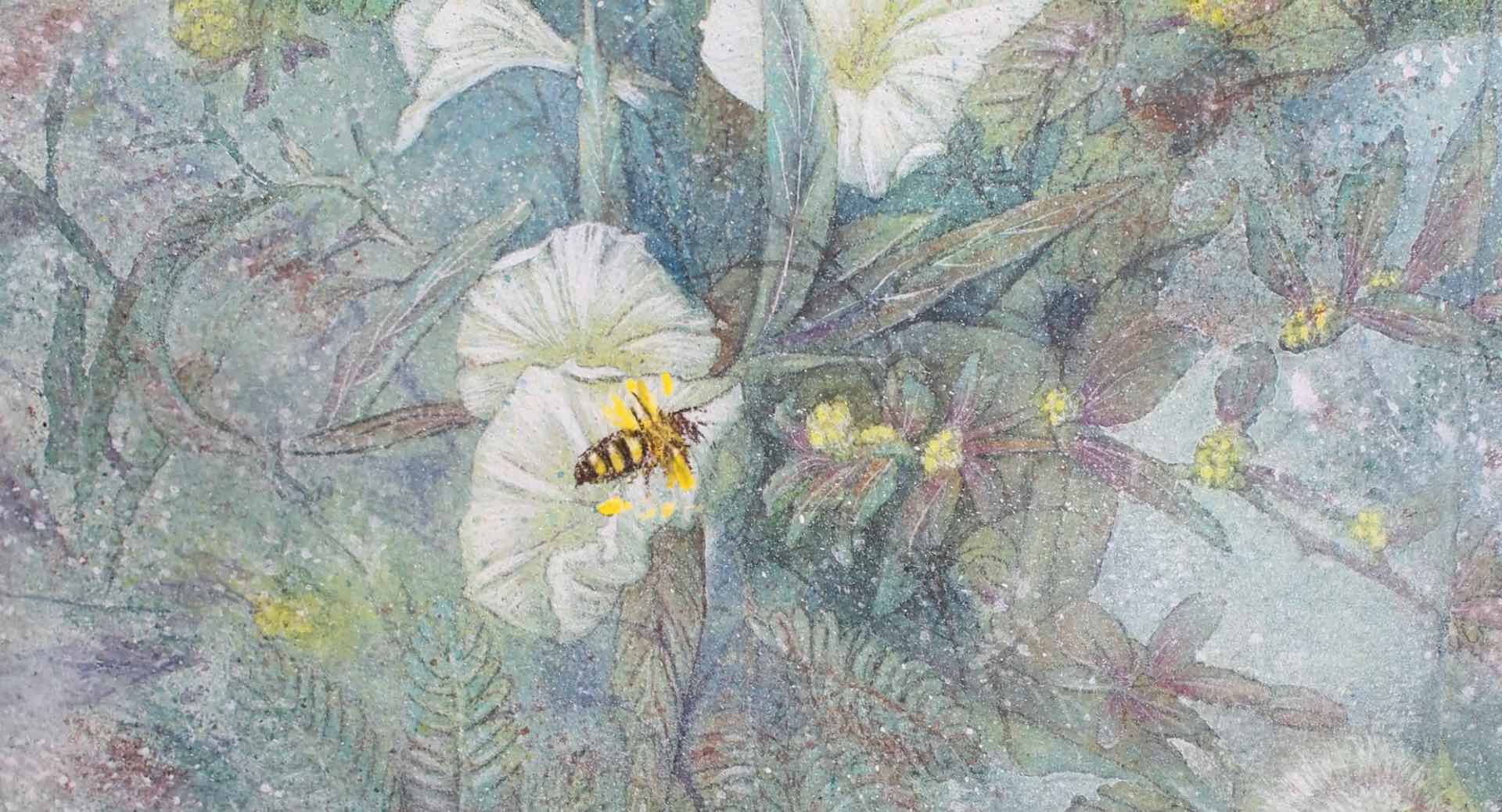
A Bloody Situation (dir. Nerian Keywan) is another surrealistic and ‘feminine’, colourfully rich work of the ‘liberated’ 3D camera, set in Palestinian everyday life that, in addition to collective suffering of disturbing magnitude, also contains quite personal dramas, such as the appearance of the first period – here in the form of a monster that suddenly appears in a hair salon, but will be surpassed by female solidarity. The Chinese Murmure (dir. Jinhong Yu, Ziyu Wang) also touches on the first period and the adolescent awakening of femininity in an ostensibly children’s film with attractive perspective and form, as well as colourful metamorphic and symbolic richness. The erotic, ‘Grindr-driven’ anti-war gay drama Fucking War (dir. Ohad Manor), whose play with the film frame emphasises the tension, but also the humour, empathy and humanity of the relationship between two lovers from opposing sides, also takes place against the backdrop of the Israeli-Palestinian conflict. The Lebanese film The Boy’s Fish (dir. Hasan Ali, world premiere) takes place in another related Middle Eastern crisis zone, where it tells the story of an orphan’s attempt to retrieve his beloved pet, a gift from his father, from under the bombed ruins. The intense, poignant and poetic war drama is realised in detailed drawing style with skilfully executed motifs of water and the eye. When talking about engaged films, the Dutch one The Places We Call Home (dir. Meike van Son) also stands out: through an original chiaroscuro technique and striking juxtapositions which momentarily illuminate small scenes of larger sketches of life, the work subtly focuses on homelessness and the indifference that accompanies it in the modern world. The Taiwanese cartoon Falling Mist (dir. Yu-jin Zhuang) uses a combination of sfumato, expressionism, impressionism, pointillism and illustrative realism to capture a series of associative scenes connected to the tragic encounter between the urban fabric and its polluted natural surroundings. Using various animation techniques, rapid editing and the character of a satanic host inspired by Liberace, the Brazilian TV Entreaberta (dir. Mateus Compart) satirically focuses on American television trash imbued with consumerism, sexism, paternalism and other pernicious -isms.
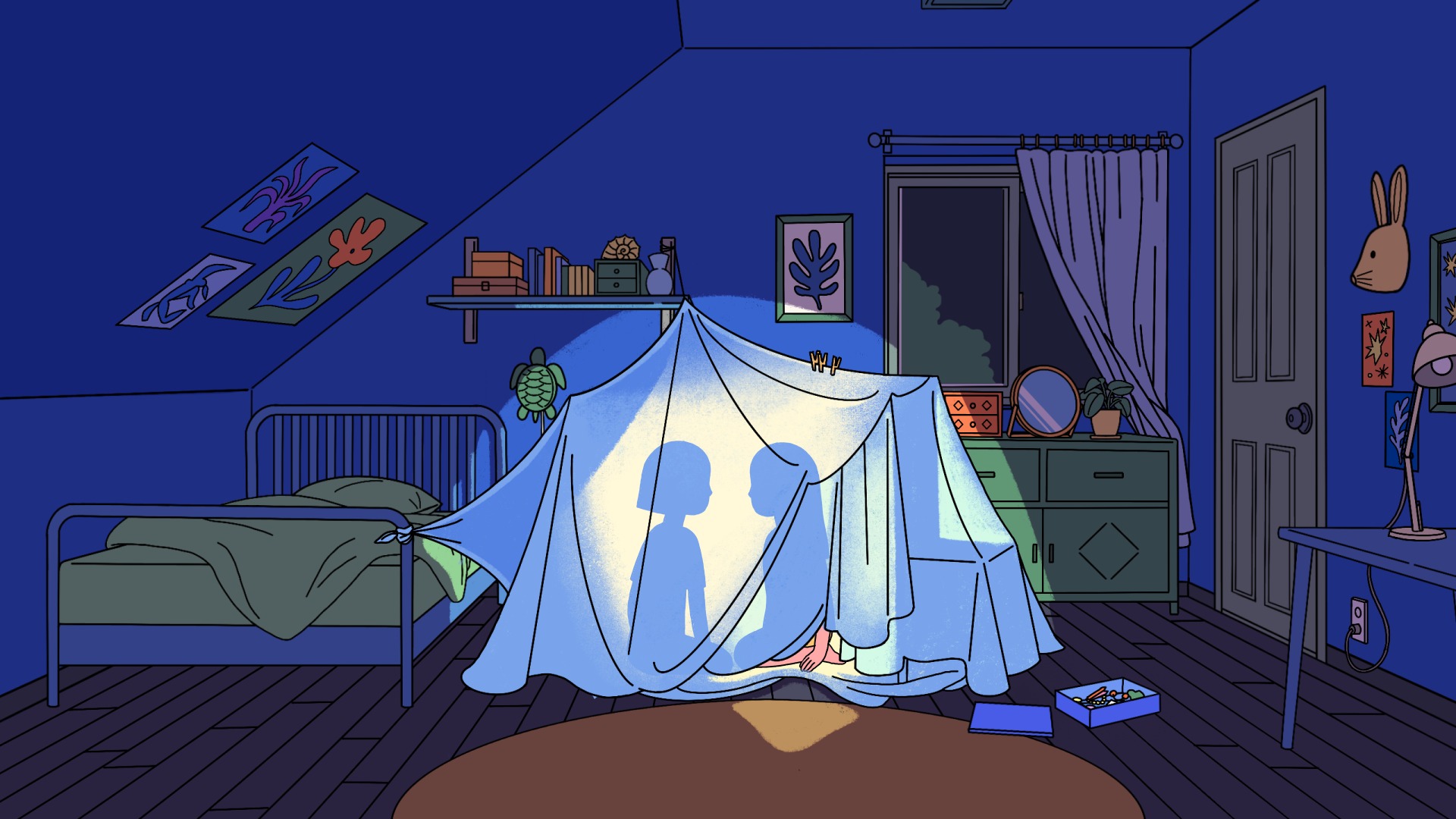
With the coming-of-age theme contained in the motifs of friendship and nostalgia, the South Korean film Passing By (dir. Hanna Kang) has already collected a handful of awards for its imaginative and touching chronicle of the development and end of the relationship between two girls, shaped by skilfully varying the objects of their shared play, as well as artistic approaches. An unusual animated allegory about coming of age in a Moebius-Renaissance, surrealist alternative history world is entitled Firstborn (dir. Olivia Porrill, USA), and from America also comes Play Fight! (dir. Katrina Larner) – a dishevelled, punk depiction of a girls’ pyjama party with a serious subtext of negative reactions to coming out and repressed aggression found in family and friendly relations. Of the same national origin is the psychedelic, raw animated and verbally humorous Hungry Hollow (dir. Sarah Ruyle), which depicts the consumption of a girl’s body by small forest creatures, thus achieving an intriguing combination of colourful cheerfulness and morbidity. The Polish comedy Chill Out (dir. Magdalena Botor) is not only rooted in the real-life dilemmas of contemporary twenty-somethings, but is also a technical extravaganza whose formal procedures reinforce the impression of the heroine’s irritation with her surroundings, with the depiction of a blasé costume party being particularly successful. Ultimately, the film is also an advocacy for abandoning a self-deprecating negativist attitude.
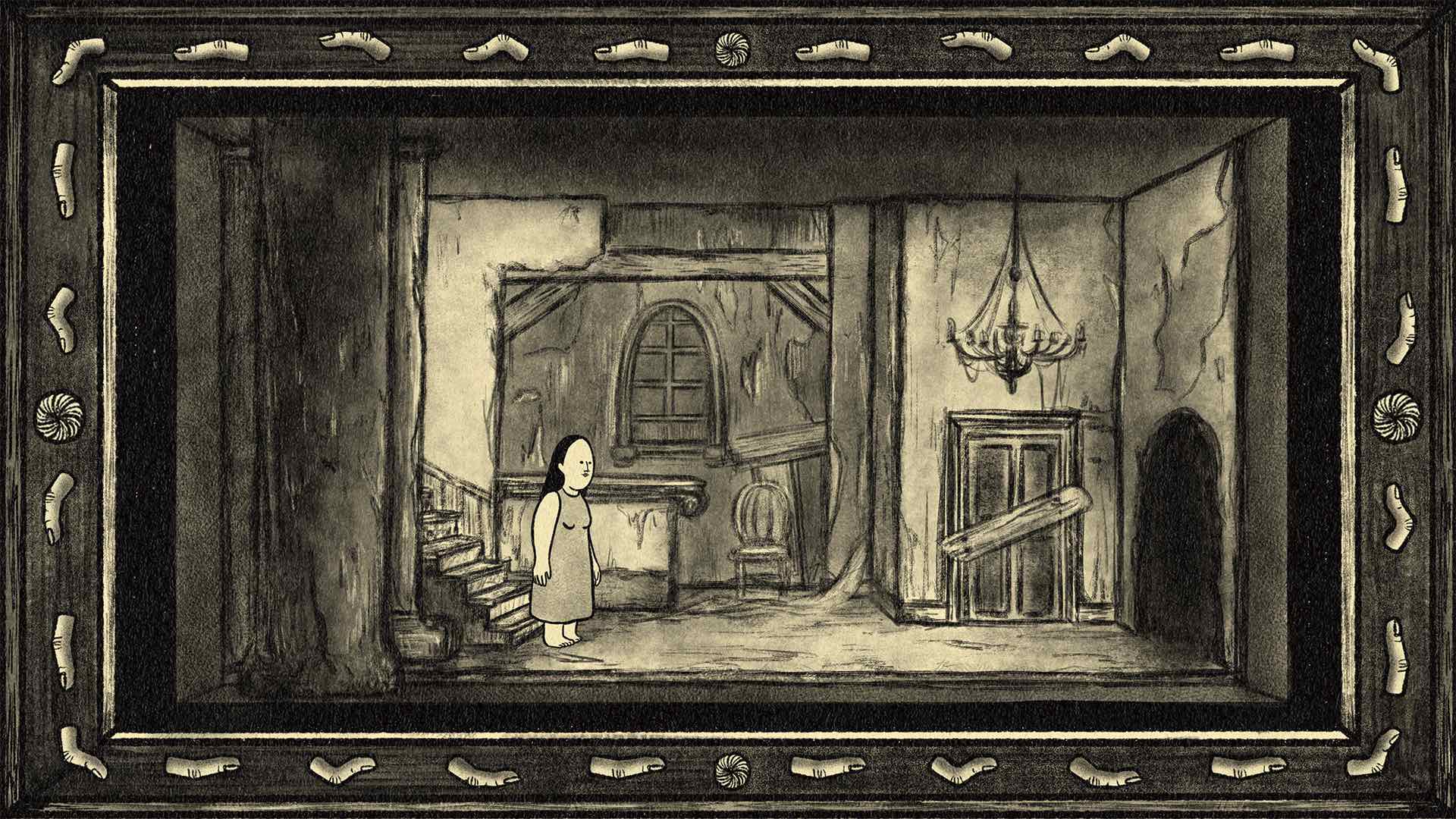
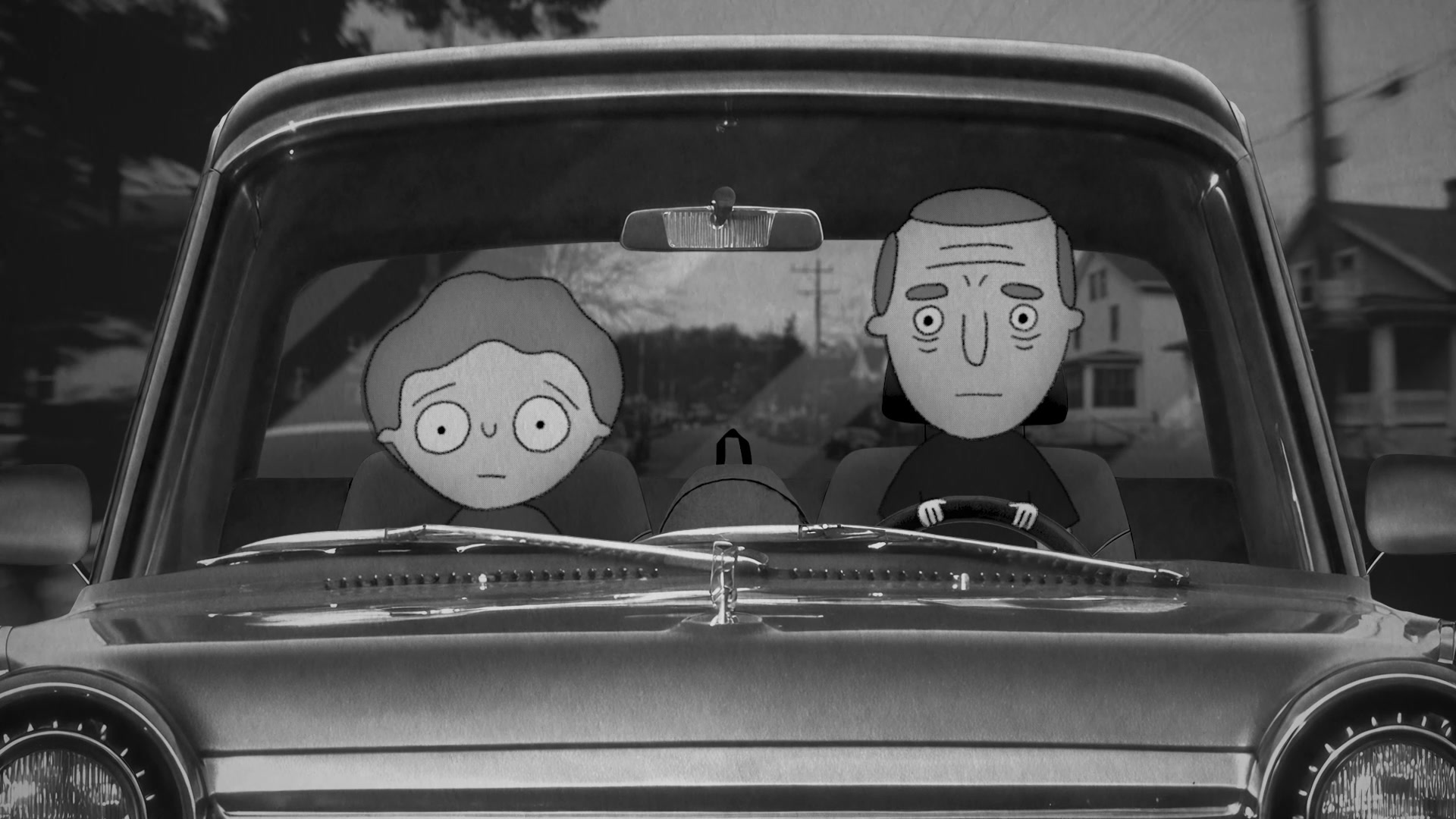
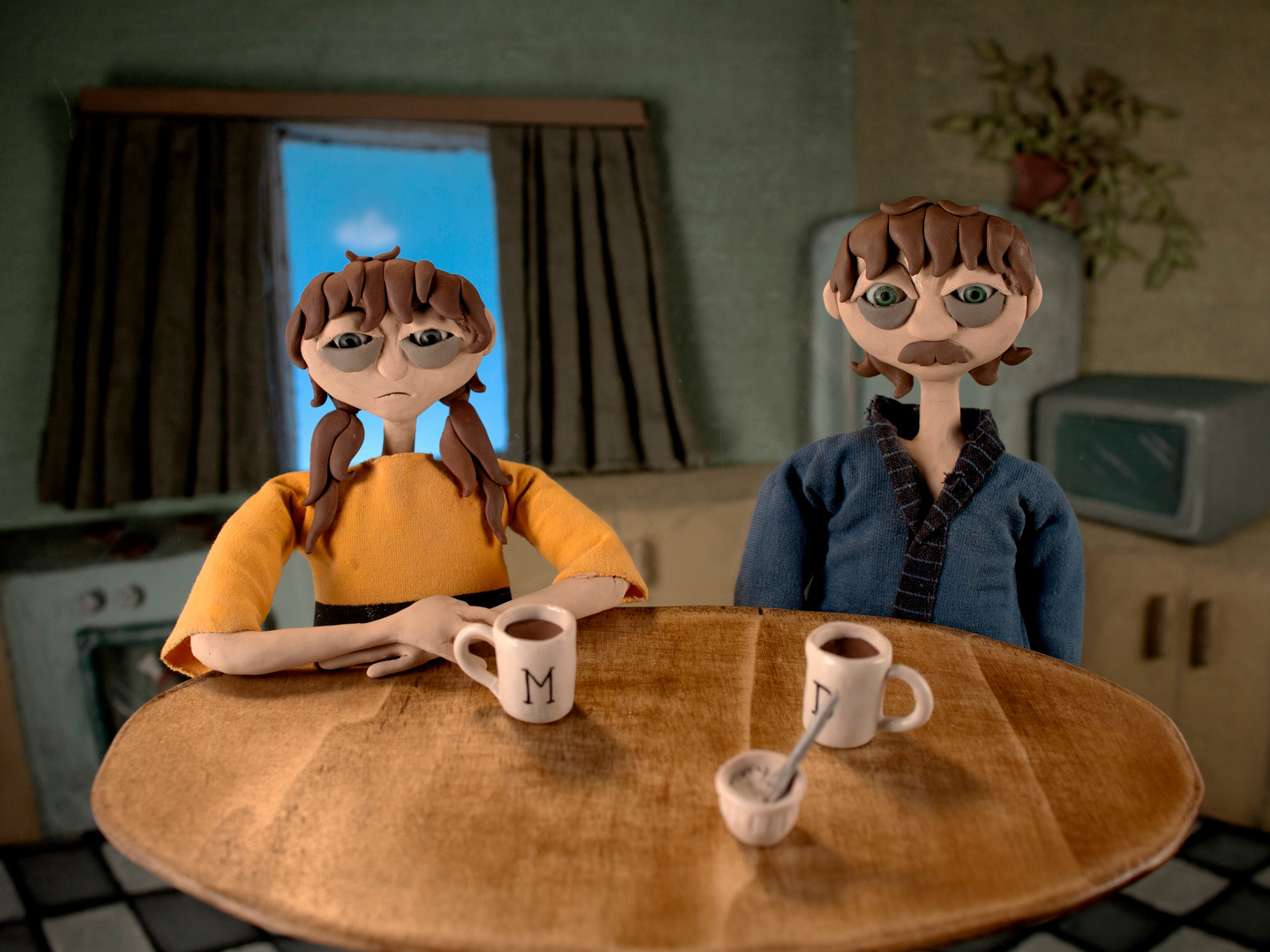
At the crossroads of family drama and deadpan comic horror, the unusual French film Max (dir. Emilien Pichon) places a son and father in a typical case of a haunted house, but is also interesting for its retro-aesthetics achieved by the black-and-white technique, background projection and the combination of drawn characters with live and physical objects / photographs. At first a warm reminiscence of a holiday evening with father hides a dark subtext of devastating alcoholism in the beautifully drawn and directed Romanian film On Saint Nicholas’ Eve (dir. Emy-Mirel Ivașcă). There’s Something in the Milk (dir. Cliona Noonan) takes us to an Irish farm, where in black and white we get an insight into the rough relationship between a mother and her daughter, which is given a slightly ironic note by the fact that the old peasant woman directs warm emotions towards – cows. The Japanese work of the Chinese author Sam Kuwa So He Grabbed a Knife uses the rarer techniques of sand animation and painting on glass (along with drawing and rotoscoping) to observe, partly from the first person, mostly family events that affected the psyche of a young man and led him to commit a violent act. The Australian humorous verse, claymation and 3D miniature Oldies of the Coast (dir. Clarence Fennessy) depicts uninhibited elderly nudists who disturb the younger generations with their bodies and free love in a summer setting.
With a choice of colours somewhat reminiscent of classics like Satiemania, the Japanese Hand (dir. Jiang Wang) is halfway between psychological horror and dance film, as it presents the movement of a female body/doll in a drama of separation and solitude, or the questioning of identity. The domain of (abstract) dance film also includes the Polish 3D How Things Are Between Us (dir. Julian Czurko), which takes place on a ‘crystallised’ cosmic plane in which two figures try to reach each other through choreography. The Discrete Shapes (dir. Lou-Ann Nony, France), halfway between geometric and organic abstraction, is a ‘microscopic’ dance of lines with a captivating fluidity inspired by simple organisms. The highly reflective and highly reflexive 3D Quantum Jump (dir. Šimon Mészáros, Czech Republic) takes us to a villa, garden, and wine cellar of self-knowledge and multiple identities in which we may not exactly grasp the meaning, but we grasp the intriguing spatiality.
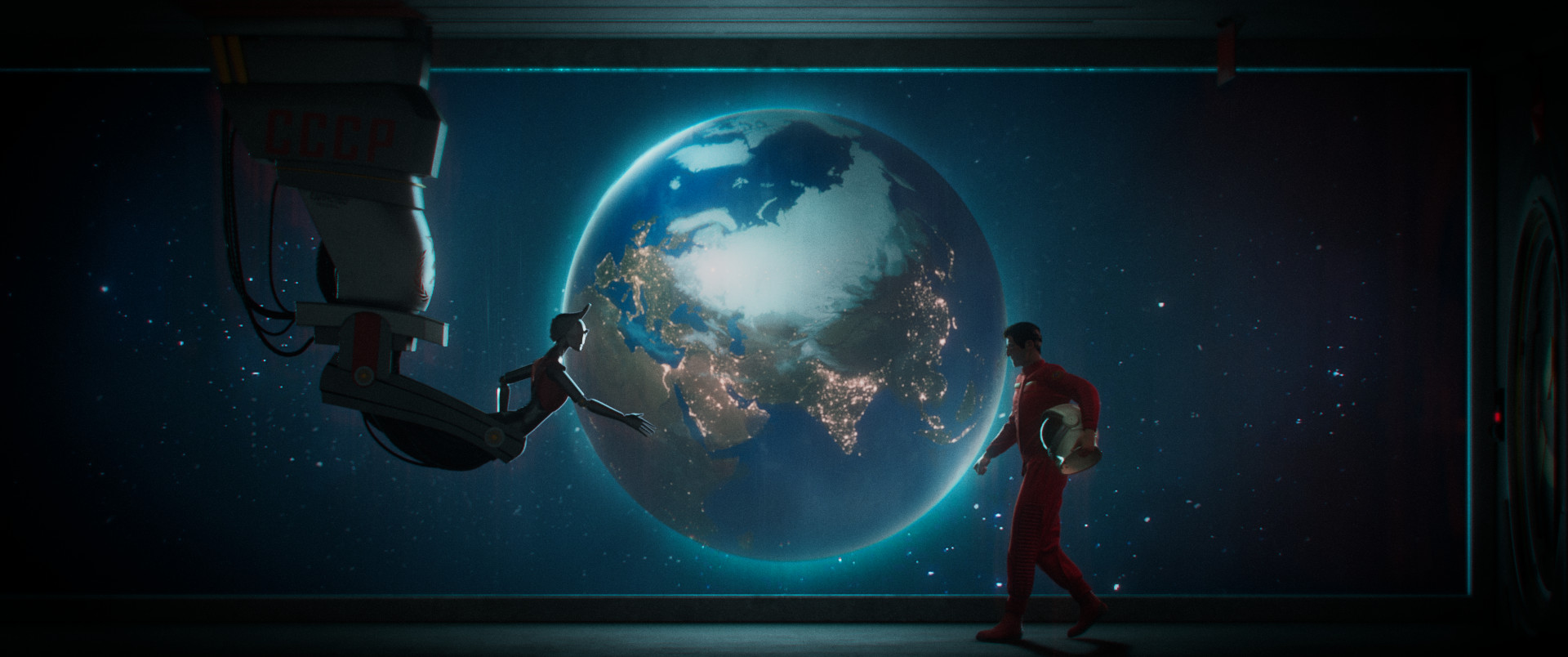
The alternative-future SF Little October (dir. Matas Pakutinskas, Lithuania and the Netherlands) is set in a surrealistic-grotesque, dystopian-satirical vision of the Soviet Union with an intriguing ‘all-red’ design, intertwined with film and historical references. The 3D film Kamarade by a group of French authors from the Rubika School from Valenciennes is also ‘Soviet’, but a classically plotted and touching SF about the relationship between a man and a robot – a kind of homage primarily to Solaris and Metropolis, but also to other classics of science fiction. The Korean-Japanese Prometheus 2025 (dir. Seungmin Han) is another film whose form fits the content: it is a work partly painted on glass, partly made by AI, which reflects on the Promethean status of the technology used through a classic mythological story. The film that particularly focuses on the pecking of the liver (an organ that in antiquity symbolised a look into the future), will have its world premiere at Animafest.