World Festival of Animated Film – Animafest Zagreb 2026 Presented
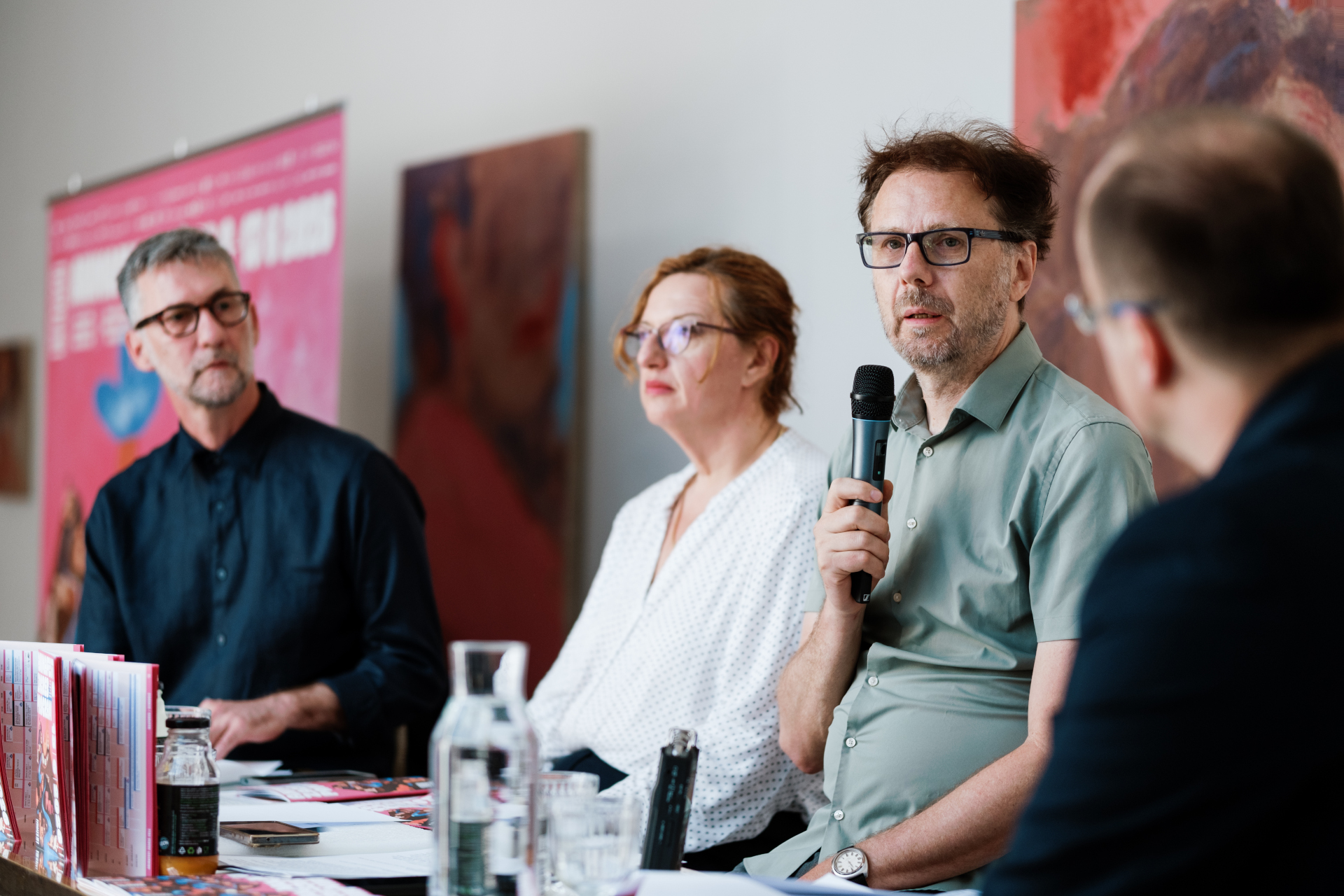
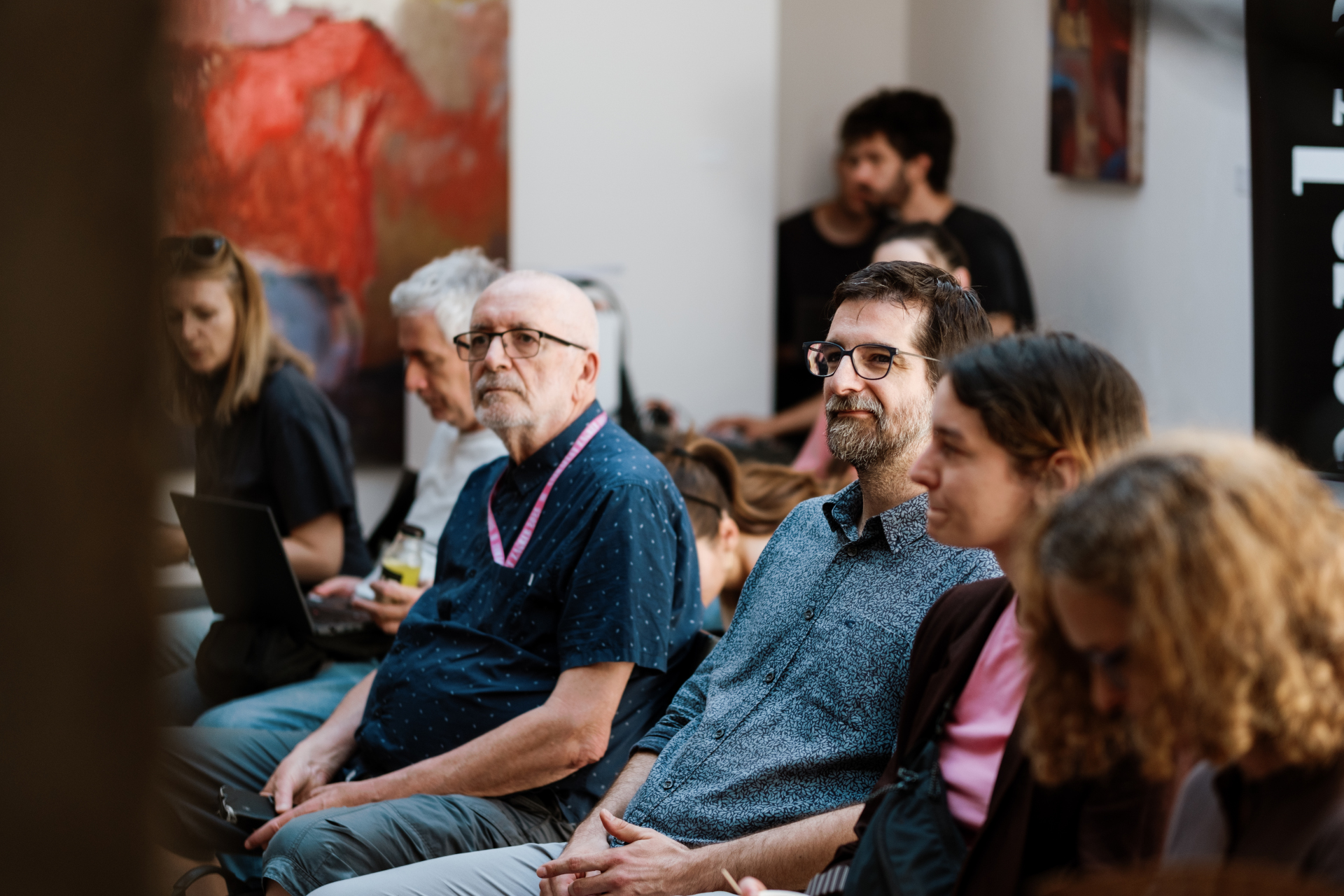
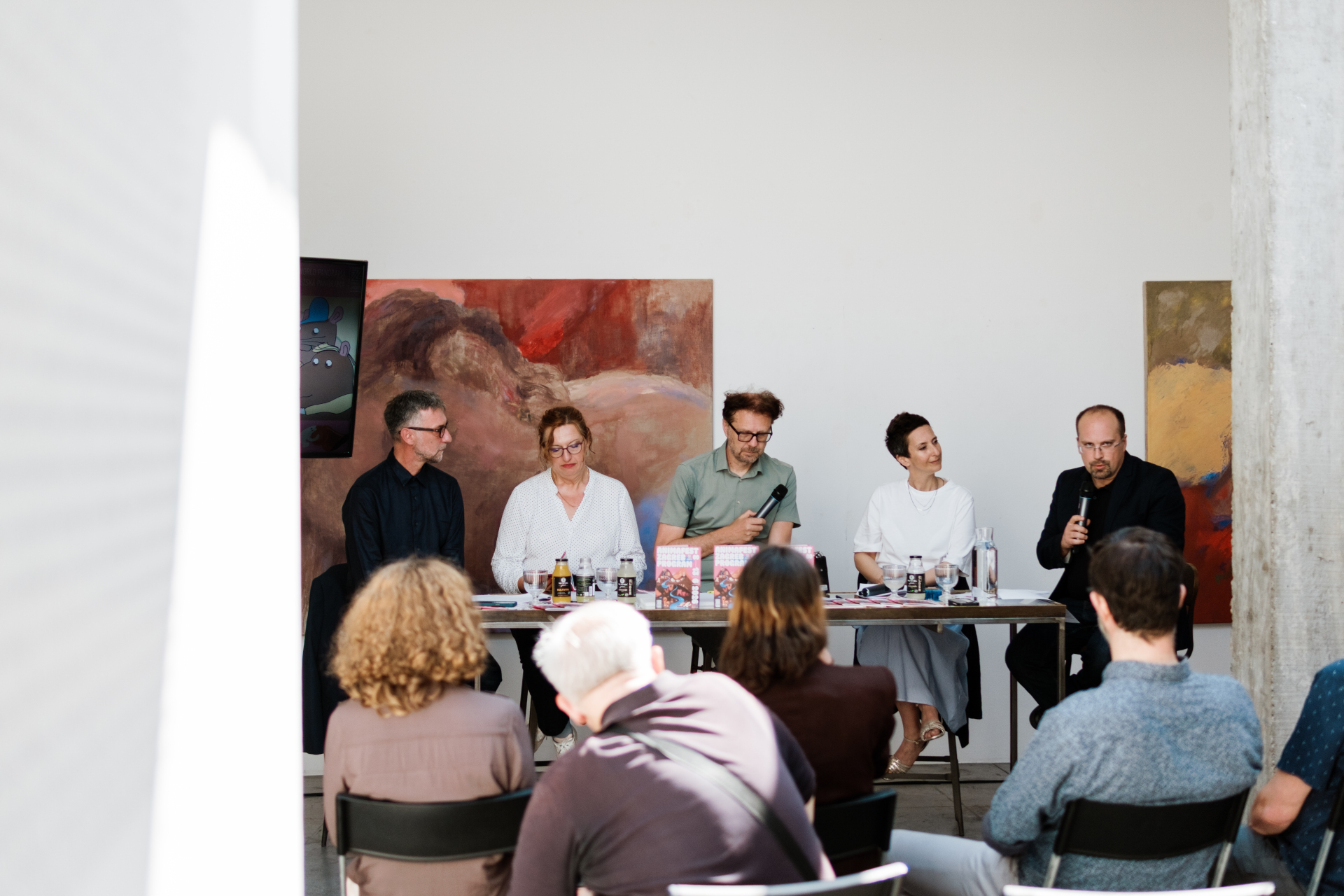
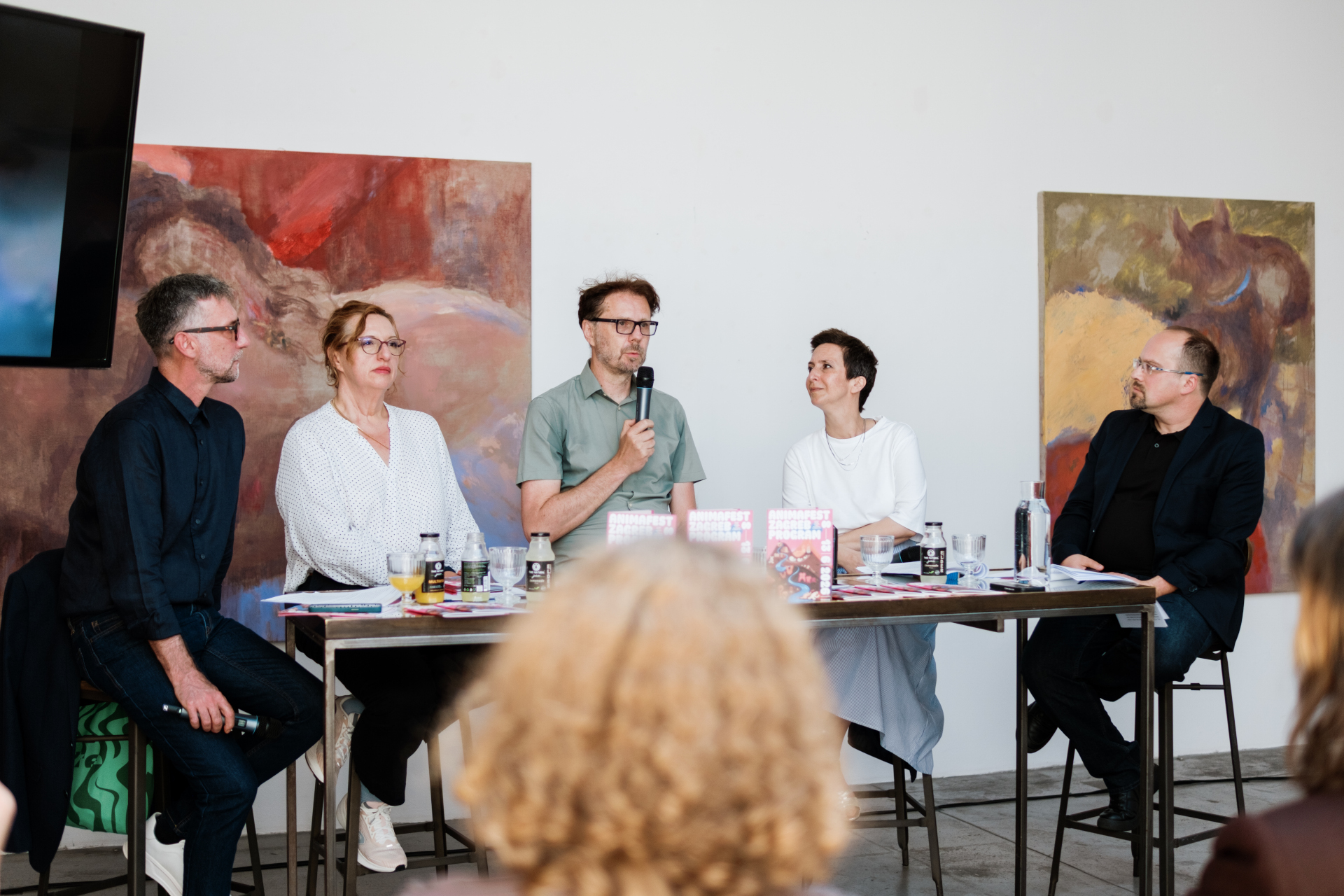
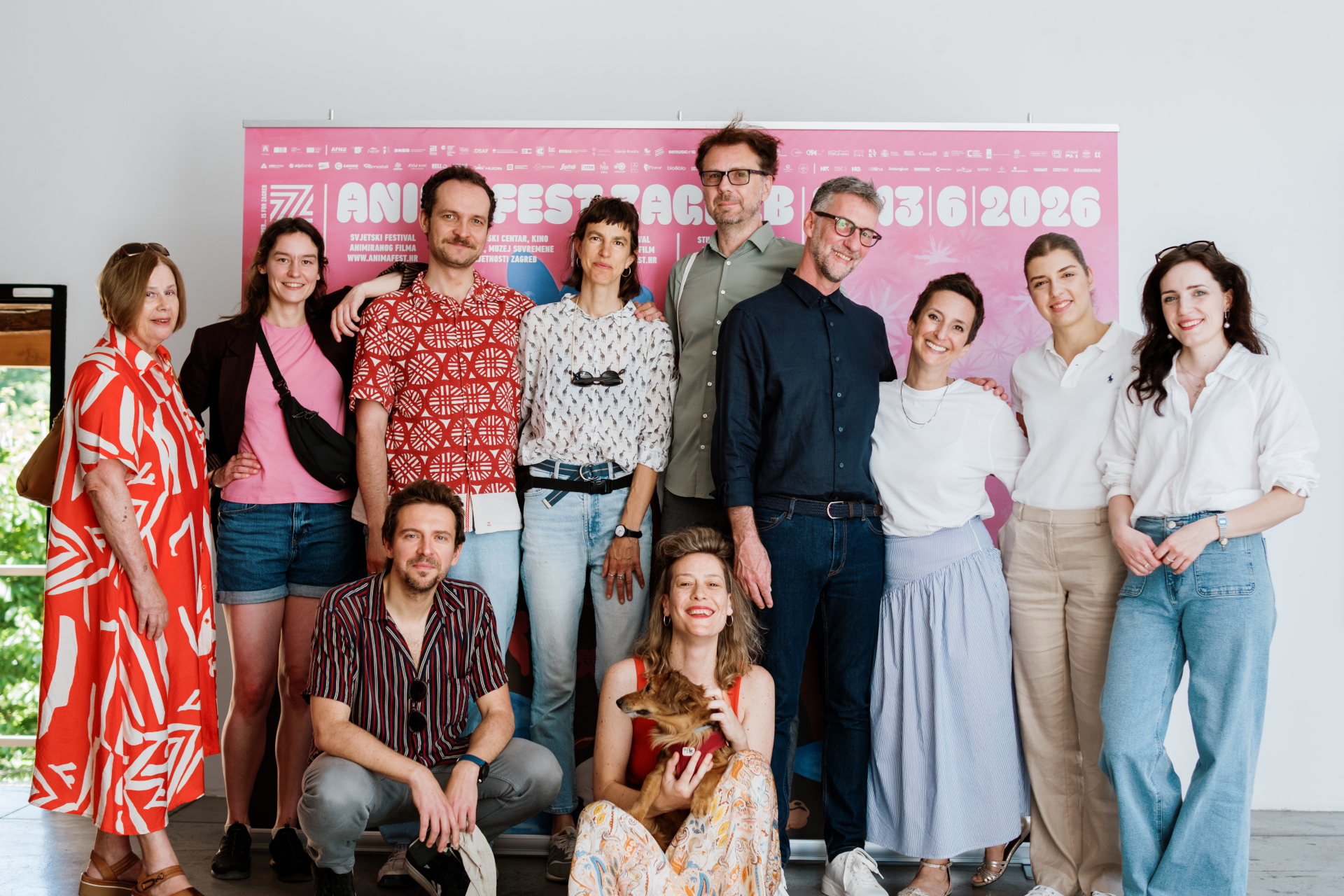
The Kranjčar Gallery hosted a press conference for the 36th World Festival of Animated Film – Animafest Zagreb 2026

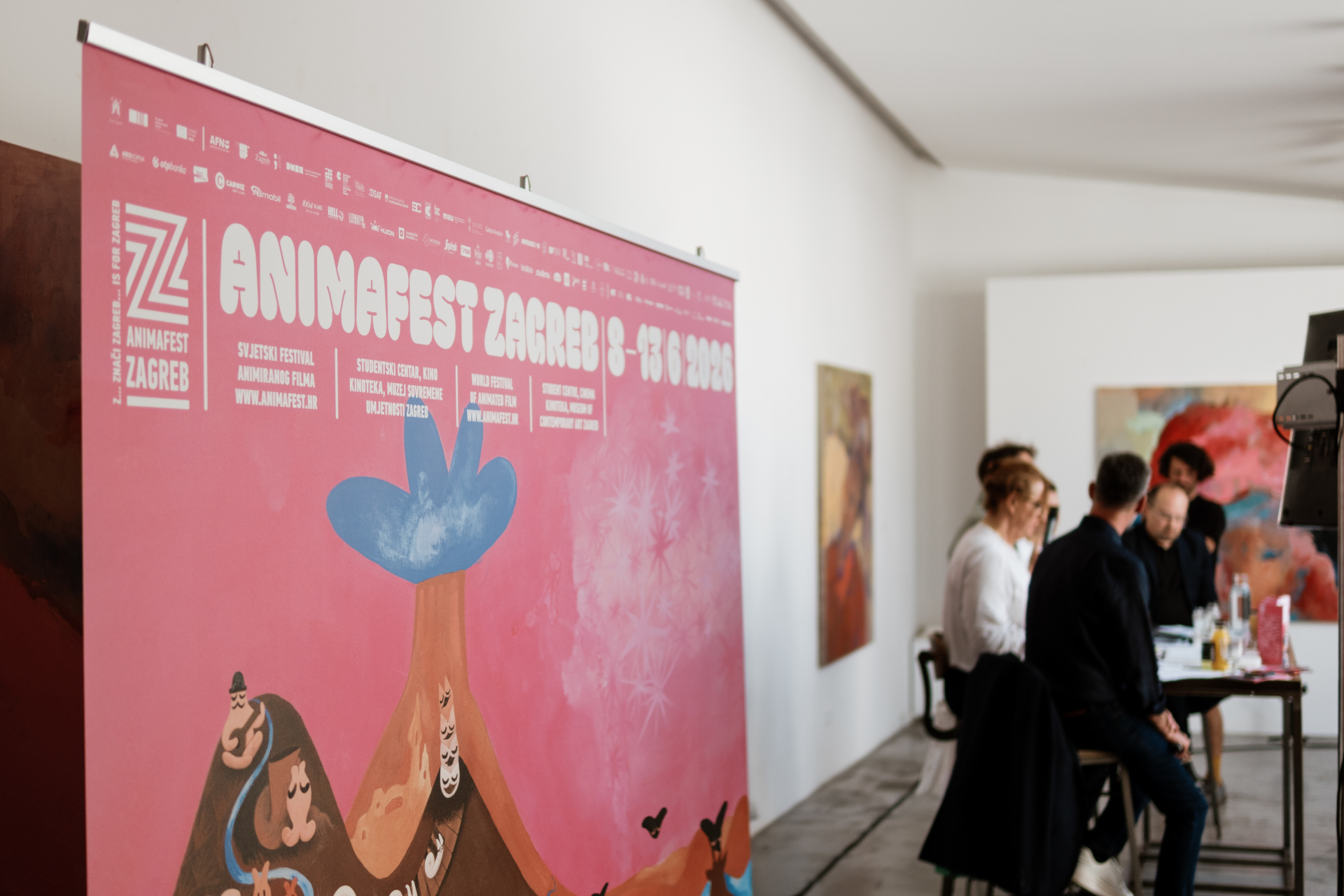
The Kranjčar Gallery hosted a press conference for the 36th World Festival of Animated Film – Animafest Zagreb 2026, which takes place from 8 to 13 June at the SC Cinema, the Kinoteka Cinema, the Museum of Contemporary Art and other locations across the city. The film programme consists of more than 300 titles, as many as foreign guests have been announced, and in addition to prestigious competitions of short, feature, student and Croatian films, there is also a large theme section dedicated to music in animated films, retrospectives of Joanna Quinn (exhibition, masterclass, films) and Marko Meštrović, Slovenian, documentary and new Japanese animation, Films for Children and Youth Program, Animafest PRO with the first edition of Animation x Gamedev Lab Zagreb (presenting games competing for the new award, lectures, panels and individual advisory sessions), the 13th Animafest Scanner symposium, Rise & Shine workshops (with a stellar line-up of mentors including Oscar winner Chris Lavis), AFN Edu, as well as several panels, lectures and round tables.
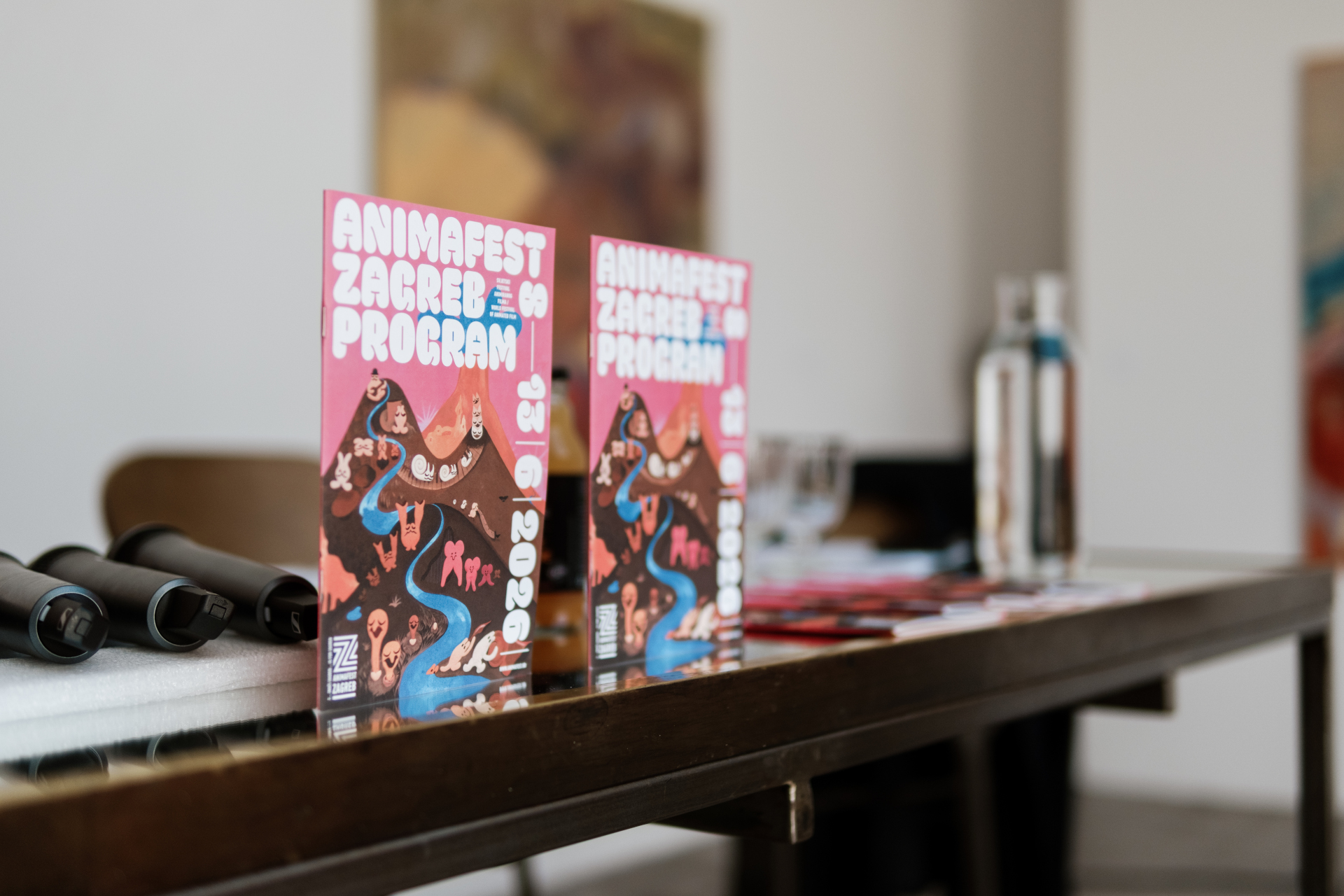
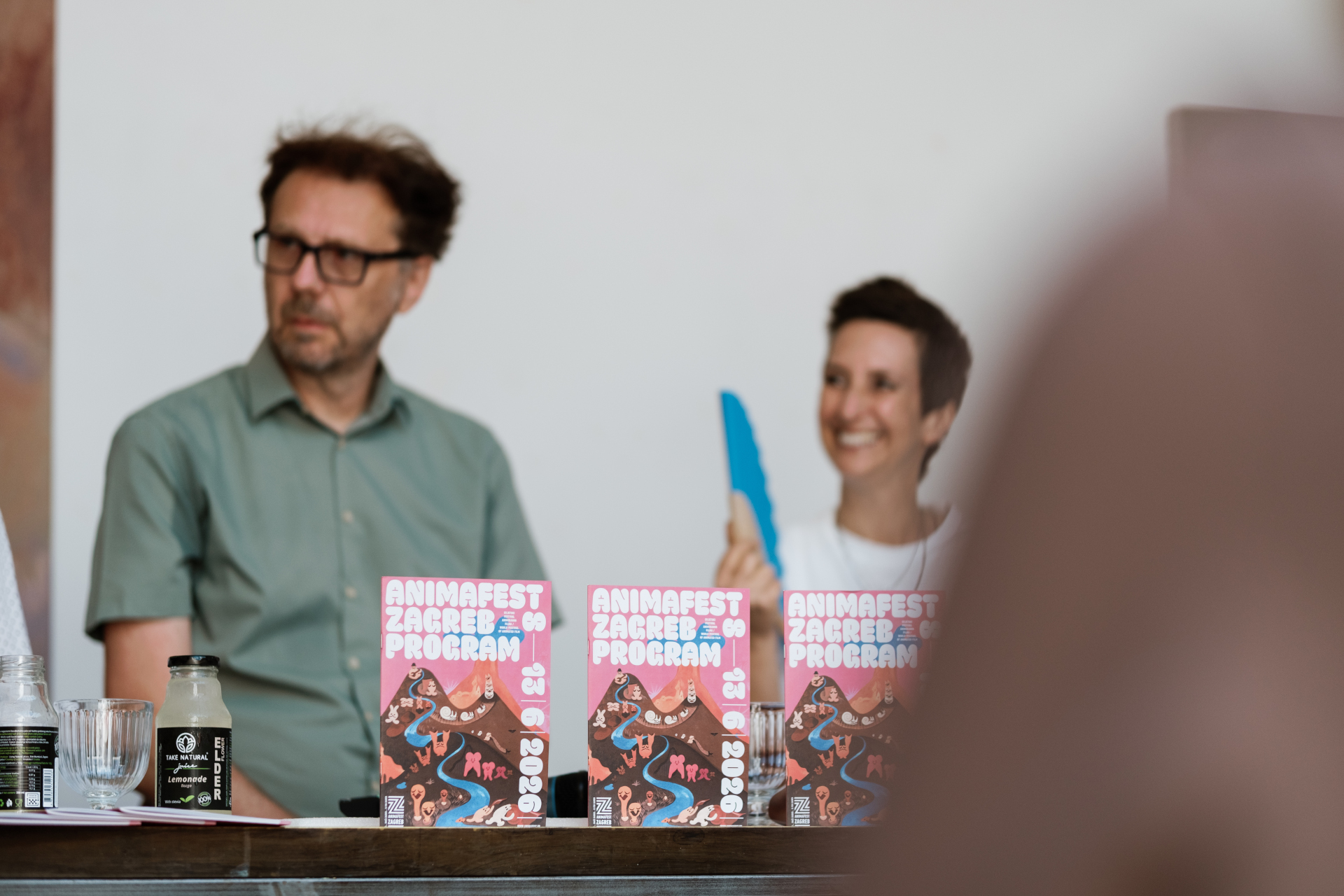
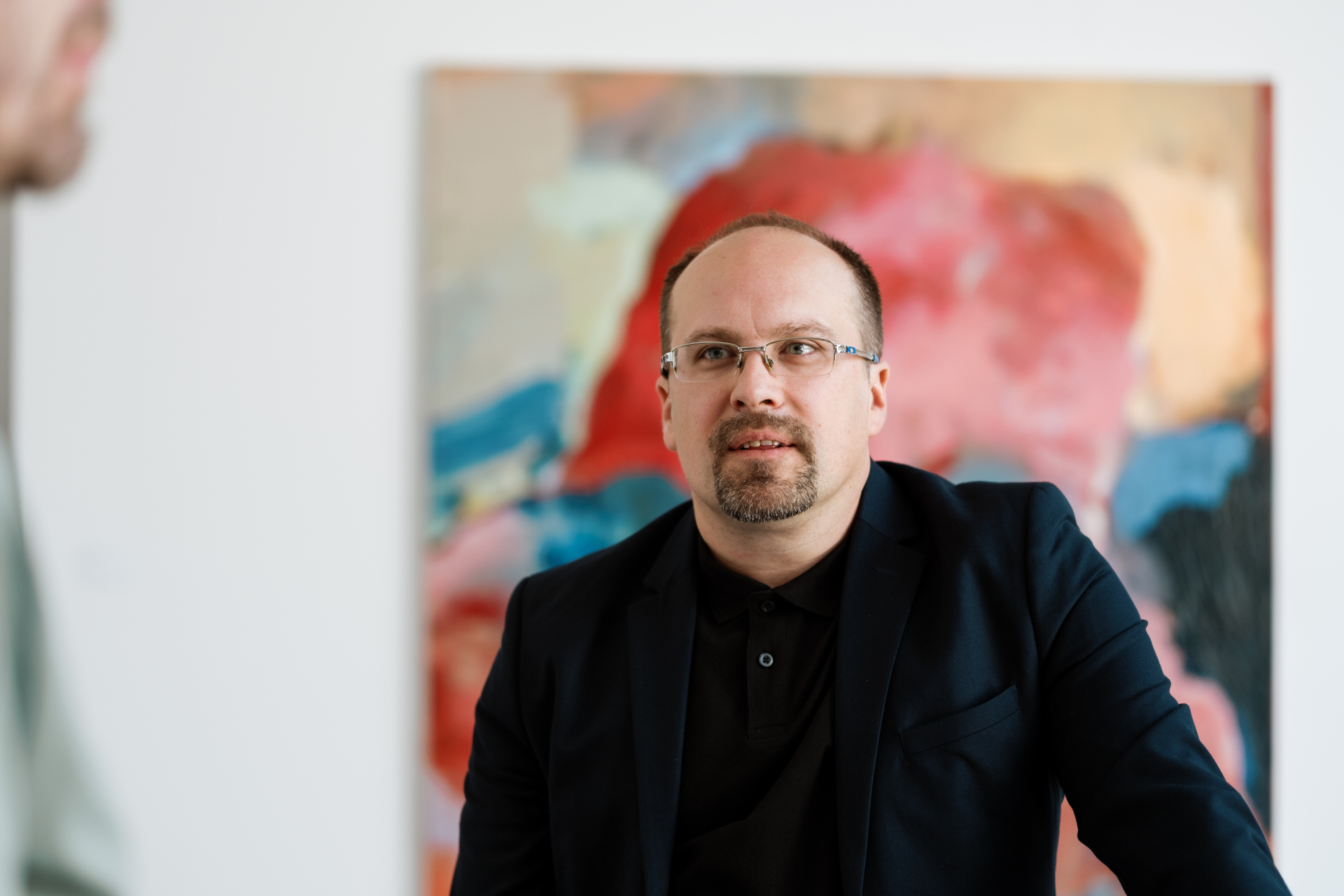
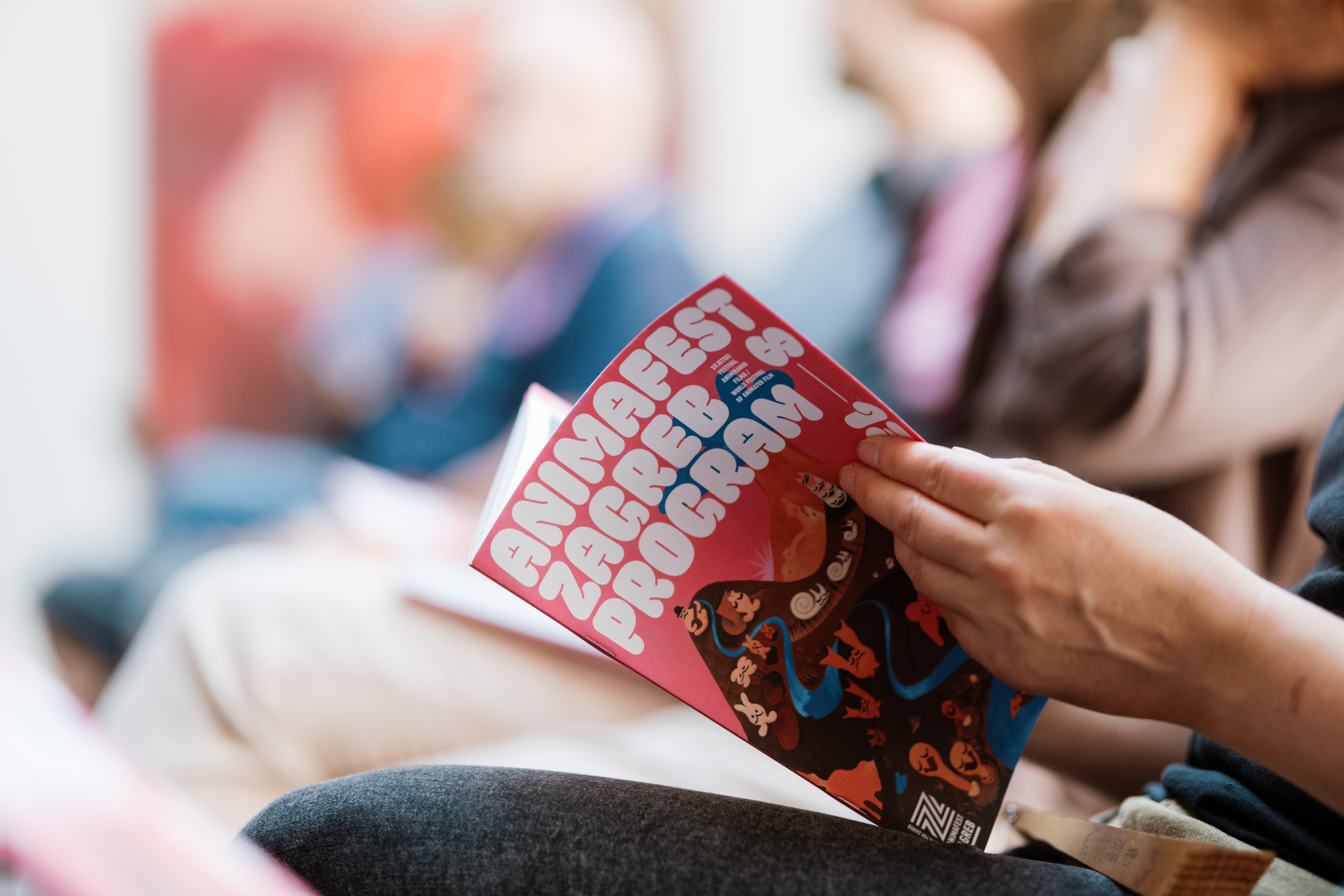
The jury members and programme details were presented by the festival’s artistic director Daniel Šuljić, producer Matea Milić, and the representative of the Mayor of the City of Zagreb, Head of the City Office for Culture and Civil Society Emina Višnić, while the authors of the Croatian contributions to the Grand Competition Short Film, Ana Horvat (School Show) and Krešimir Pernek (Strive), spoke about their works. The festival trailer by author Sunčana Brkulj and musician Tonota were presented. Brkulj is also the author of the festival visual, which was incorporated into the overall visual identity of the festival by the Kuna zlatica studio.
With particular pleasure, Šuljić pointed out that the number of submitted entries for Animafest 2026 exceeds a record 2,100 from 95 countries around the world, another record, and that the festival will feature 38 world premieres in all the sections. Animafest is a qualifying festival for the Academy Awards and BAFTA Awards, Emile Awards and Annie Awards. The winner of the Croatian Film Competition also qualifies for the Oscar. The Grand Competition includes films that have won Oscars and Césars and have been shown in Cannes, Locarno, Toronto and elsewhere, women’s perspectives and experiences, new films by former Animafest winners, as well as stories that are based on the global political situation or openly committed to genre structuring. Šuljić also spoke highly of local production, which in the Croatian Film Competition includes a total of 19 works, with new productions by Zagreb flm, Umjetnička organizacija Anima, Academy of Fine Arts in Zagreb, Jaka produkcija, Kreativni Sindikat, Kinoteka, Minya Film and Animation and VERN. New films by well-known names such as Danijel Žeželj and Irena Jukić Pranjić, by emerging filmmakers with already notable filmographies, as well as luxurious co-productions with Slovenia and excellent films for children are to be seen.
Šuljić stated that the jury for the Grand Competition Short Film will include an Oscar winner and Pixar’s golden generation member, animator, producer and screenwriter Jan Pinkava, Dutch animator Nina Gantz, Japanese animator Sawako Kabuki, programme director of the Dutch Kaboom festival and animation professor Maarten van Gageldonk, art historian and until recently Animafest producer Paola Orlić. Kabuki and Gantz will also hold masterclasses on their working methods, and Kabuki’s greatest hits can also be seen in the film programme and presentation ‘New New: The New Wave of Japanese Short Animation’, in which most of the authors will present their films in person.
The Grand Competition Feature Film gathers eight works, including the new anime by One Piece director Goro Taniguchi (Samurai Ballerina, dedicated to young Japanese women who yearn for careers as a ballet dancer and a painter in Paris at the beginning of the 20th century), the world premiere of Son of a Bitch by a group of authors led by Brazilian master of independent comics and animation Otto Guerra (a petit bourgeois road movie and gritty comedy with touches of magical realism and Moby Dick), and the family botanical-ecological, SF 3D journey Dandelion Odyssey by Momoko Seto (made in the manner of the Oscar-winning Flow, and recently honoured with critical acclaim at Cannes). Matea Milić particularly underlined that the screenings of Son of a Bitch and Dandelion Odyssey are inclusive – accessible to the deaf and hard of hearing, as well as the blind and visually impaired (equipped with inclusive subtitles and a recording of the translation into Croatian sign language and audio description), and the cinema space is accessible to people with disabilities. The members of the Grand Competition Feature Film jury will be Canadian sound designer and film composer Pierre Yves Drapeau (who will also give a masterclass about his work), Georgian director and producer Mariam Kandelaki, and Slovenian producer and mentor Tina Smrekar.
The joint jury of the Student Film Competition (38 films, two of which come from the winners of the Best Animation School Award – the RE:ANIMA educational programme of three schools from Portugal, Belgium and Finland, which is also hosting a separate retrospective) and the Croatian Film Competition consist of Macedonian director and animator Krste Gospodinovski, Polish director and animator Marta Magnuska (also a lecturer in the AFN Edu programme), and artistic director of the Stuttgart festival and vice president of ASIFA Annegret Richter.
In a timely response to the contemporary moment of strong connections between the video game and animation industries, Animafest has already included video games in its programmes on several occasions, but in 2026 it is launching a new, comprehensive initiative called Animation x Gamedev Lab Zagreb. In collaboration with the CEE Animation Workshop and Croatian Audiovisual Center, the two-day event will present five games that will also compete for the new Award for Best Video Game Art Direction. The games come from Germany (Goki’s Dream, Studio Schlamassel), Switzerland (Time Flies, Playables), Spain (Numbra, Hamahiru-DigiPen Bilbao) and Croatia (All Living Things, MOXO; The Dunkers, 5 rusa), and were selected by Admir Elezović (Croteam), Aleksandar Gavrilović (Gamechuck) and Sara Jurić (Gamepires), who will also decide on the prize. All Animafest visitors will be able to play the games in the Studio-gallery Klet (Ilica 73), and the event also consists of lectures and panels by leading experts (Michael Frei, Loris Timotej Vodeb, Jörg Tittel, Ante Vrdelja, A. Gavrilović and A. Elezović) and portfolio review sessions in which experts Gabriel Nagypal and Gabriel Alvarez provide individual mentoring. This segment of the programme is the only one intended exclusively for selected participants, while the rest is open to the public, who might be particularly interested in the panels on the synergy of public financing of film production and video game development, as well as on the potential of IP in film, animation and games.
Šuljić, a musician himself, has decided to dedicate the central theme section of Animafest 2026 to music as one of the most important elements of animated film: from classical scores to jazz, from musicals to experimental forms of visual music. Among the works in which animation interprets canonical compositions or re-examines them through parody and stylisation, we will see What’s Opera, Doc? by Chuck Jones, Papageno by Lotte Reiniger, Satiemania by Zdenko Gašparović and Gloria Victoria by Theodore Ushev, while the jazz section brings the energy of improvisation, rhythmic playfulness and formal freedom – we meet Tom and Jerry, Pink Panther and Droopy in this segment, just like Peter Lord’s legendary music video for Nina Simone, but also films by Norman McLaren, John Hubley and others. We will also watch musicals by Rosto, Darija Kopiec and Katarína Kerekesova, and in the segment ‘Tango, Techno and Other Movements’ modern classics by Tomek Popakul, Yoriko Mizushiri, Nina Winiger and William Kentridge, as well as slightly older ones by Rastko Ćirić and Zbigniew Rybczyński. Experimental works that blur the boundaries of sound and image are signed by Xu An and Xi Chen, Slobodan Tomić, Thomas Renoldner, Steven Subotnick and Stas Santimov. The last segment, dedicated to visual music and ranging from 1937 to 2025, i.e. from Len Lye, to Mary Ellen Bute and Oskar Fischinger, to Max Hattler and Tamas Patrovics, was compiled by Polish animation curator Michał Bobrowski
The country in focus of Animafest 2026 is Slovenia – Croatia’s neighbouring cinema with which it frequently and fruitfully collaborates, but whose animation history, regardless of proximity and common former state, developed in separate directions. Given their ties with Czechoslovakia, Slovenians have been the heirs of a strong tradition of puppet film since the 1950s in the works of Saša Dobrila, Dušan Kastelic, Leon Vidmar and Špela Čadež – all of whom can be seen in the first segment of ‘Focus on Slovenia’, as well as the cartoons of the legendary Miki Muster, Črt Škodlar, Koni Steinbacher and Grega Mastnak. The second segment is marked by Zvonko Čoh’s groundbreaking feature film The Socialization of a Bull?, and the third is dedicated to the contemporary scene with diverse techniques and authorial voices (Leo Černic, Lea Vučko, Zarja Menart, Miha Reja, Š. Čadež and others). The fourth and fifth are entirely dedicated to children’s films, in which Slovenians have been achieving exceptional results for years, with already well-known names such as Timon Leder, G. Mastnak and Kolja Saksida, whose series Koyaa and the Naughty Objects is also popular in our country, and therefore a special programme is dedicated to it, which, in addition to the Kinoteka, is also shown in city cultural centres as part of Animafest in Your Neighbourhood. The programmer is Igor Prassel, founder of Animateka and curator of the Slovenian Kinoteka.
The retrospective section Masters of Animation is dedicated to British artist Joanna Quinn – winner of the Animafest 2026 Lifetime Achievement Award. We will see 15 of her films from the period 1987–2025, including the classics Girls’ Night Out, Body Beautiful, Britannia and Affairs of the Art, as well as the more recent film This Land is a Woman dedicated to the women of Gaza. Quinn will also give a masterclass and is the protagonist of Animafest’s exhibition programme, the crown of which is her retrospective exhibition at the Kranjčar Gallery during the duration of the festival. The gallery program also includes 8th edition of the ‘Behind the Scenes’ group exhibition of the authors of the Grand Competition Short Film in the KIC Gallery and the Student Film Competition in the Šira Gallery.
The Zagreb spirit of the festival will once again be contributed to by the beloved Animafest open air, which will take place on the eve of the festival, on Sunday, June 7 at 9:30 PM, in the courtyard of the Academy of Fine Arts. With live musical accompaniment, the oldest surviving feature-length animated film The Adventures of Prince Ahmed by the legendary Lotte Reiniger will be screened – the most beautiful example of the rarely seen silhouette animation that conveys fairy tales from the Arabian Nights. The open air event near the Knap Centre, as part of Animafest in Your Neighborhood, will screen films about Koyaa, and free screenings of this beloved series, as well as the Children’s Film Competition and the new edition of the AFN: That’s What She Said collection by directors from Central and Eastern Europe, can also be seen at NS Sesvete and Dubrava, the Ribnjak Youth Centre, KUC Travno, the Centre for Art Education of the City of Zagreb, the Novi Zagreb Cultural Centre and the Maksimir Cultural Centre. In addition to collaborating with the city’s cultural centres, Animafest is also doing so again with the INmusic festival, for which it selects medleys from the theme section dedicated to music, as well as films about Koyaa.
It is a pleasure to proudly participate in the presentation of this outstanding festival. Seen from a global perspective, Animafest is certainly the most important Croatian cultural, artistic and film festival. We must never forget that. The programming is excellent, rich not only in the number of films and guests, but also in the general significance of the festival connected to numerous players of the wider cultural field, which thus sets the rhythm not only of Zagreb, but also much wider. Animafest is most significant, first and foremost, for the audience it constantly rejuvenates – the citizens of Zagreb of all generations. The City of Zagreb is pleased to be able to support such a festival, so that citizens have affordable, in some segments even free, tickets. It is also particularly important that Animafest is available not only in the usual film venues, but also in about fifteen locations throughout the city. In our cultural policies, we have placed great emphasis on cultural centres that have been neglected for decades, and therefore we are particularly pleased that they are partnering with Animafest. Animafest is the harbinger of cultural summer in Zagreb. I hope that Animafest 2028 will be held at the renovated Europa Cinema – said Emina Višnić.
An auteur retrospective with five works from the period 2006-2025 is also organised by Animafest for Marko Meštrović, one of the first authors of the new generation of successors of the Zagreb School from the late 1990s and early 2000s, who is characterised by a long-lasting stylistic uniformity at the intersection of comic noir, Miroslav Krleža, introspective spirituality and music. In collaboration with Restart, Dokukino KIC is also hosting a special programme of animated documentaries Animadoks with three recent feature-length blockbusters. The first is Pelican Blue about the funny scheme of Hungarian young men who travelled Europe by train for free in the 1990s. The second is They Shot the Piano Player by the celebrated authors of Chico & Rita, who made another historical musical quest, this time for the roots of bossa nova and Latin America in the 1960s and 1970s. The third is the Caribbean, Dominican film Olivia & the Clouds – a surreal exploration of the complexity of love, but also a film of an impressive festival journey. The WTF OFF section, curated by Sébastien Sperer, brings together 11 intense and wacky short films from around the world in an unforgettable late-night experience that explores the edges, cracks and tremors of the image, storytelling and the viewer. Time for the Masters again brings new works by big names associated with Animafest. This time they are Miloš Tomić, Georges Sifianos, Theodore Ushev, Dennis Tupicoff, Cordell Barker, Donato Sansone, Suresh Eriyat and Bruno Collet.
Film critic and educator Nino Kovačić and media psychologist Martina Peštaj included 32 films in the Films for Children and Youth Competition, classifying them into four age categories (3-6, 7-10, 11-14 and 15+). Every segment has been created with regard to what can move a child, what stimulates children’s thoughts, feelings and questions. Animated films open up a space for children to watch differently: slower, more concentrated and more open to details and to different visual languages, narrative rhythms and worlds. Films for Children and Youth Competition features many films about relationships: between siblings, children and parents, grandparents and extended family. The 3-6 section is dominated by tender images, the rhythm of nature and the first small discoveries. The 7-10 segment directs the gaze outwards – towards a world that has yet to be seen and understood, and sometimes conquered. The 11-14 section is full of inner stories, and the 15+ of unusual worlds presented in different styles, authorial perspectives and feelings. In order for children undergoing hospital treatment to also enjoy the latest films, a selection from this competition is also being screened at the Sisters of Mercy Clinical Hospital Centre (in collaboration with the ‘Film in Hospital’ initiative and Udruga Djeca susreću umjetnost / Kids Meet Art Association), and two films from the Grand Competition Feature Film (Samurai Ballerina and Dandelion Odyssey) are also appropriate for children (8+).
The industry segment of Animafest 2026 is spearheaded by the 13th Animafest Scanner symposium (KIC, 9 and 10 June) with a keynote lecture by the winner of the Award for Outstanding Contribution to Animation Studies, Amid Amidi. Amidi, a critic and historian, founder of Cartoon Brew and author of several fundamental books, will speak about American animation at a panel dedicated to the methods and perspectives of animation histories. The symposium, open to all interested public, will also discuss the genealogies of animated film, animation curation, and music in animated film. The fifth edition of the Rise & Shine event in collaboration with Croatian producers association, Animateka and CEE Animation will present 11 projects selected from a record-breaking 80 submitted entries. The mentors will be Oscar-winning director Chris Lavis, screenwriter and producer with vast international experience Anna Vášová and multiple Goya Award winner Pedro Rivero. At AFN Edu, intended for animation students, the lecturer and workshop mentor will be Slovenian animator Leo Černic, and Polish animator Marta Magnuska will also teach. In addition to lectures by Oscar winner Lavis ("The Evolution of Film Puppetry") and 2021 Animafest winner Joe Hsieh ("Visceral Screams: The Soul of Horror Animation"), the discursive segment of the festival also includes several presentations (by the French professional network FJPI; the Animation HUB portal of CEE Animation; the pan-European initiative ‘Film in the Hospital’) and discussions (‘Why Should My Film Be Inclusive?’, dedicated to adapting films for the deaf and hard of hearing, as well as the blind and visually impaired; ‘Animation in Croatia: Challenges and Opportunities’, organised by Filmmakers Association of Croatia, bringing together key representatives of the profession for a dialogue on the current state of animated film and the possibilities for its further development).
Part of Animafest’s programme will also be made available outside Zagreb. In Split, in cooperation with Mediterranean Film Festival, 11 short films are being screened that offer a fantastic cross-section of recent European artistic animation (2016-2024). The Edison Cinema in Karlovac will be showing line-ups of films about Koyaa and the Film for Children and Youth Competition. Finally, in Rijeka, in collaboration with Art-kino, two inclusive screenings of the film Dandelion Odyssey will take place.
The film is based on my childhood memory, i.e. on an actual event. As a girl on stage, I saw a pervert in the audience, but I was so young and innocent that I did not understand what he was doing. I found it interesting to connect that event with the songs and recitations that were sung at the time, with the help of Irena Jukić Pranjić, who made her recordings available to me. It is, therefore, a film about children entering the world of adults, which they don't yet understand – about the collision of two worlds. The theme of the film is both perversion and the time of the last tremors of Yugoslavia. I do not engage in criticism of that period, which I view exclusively from a child’s perspective. The situation is not only tragic, but, as you will see, a bit funny as well – said Ana Horvat about her film School Show.
The story was created as my view of people’s dissatisfaction in the world and focusing on the negative sides of life. Therefore, I created characters whose field of vision is narrowed to their own problems and hardships from which they cannot move away. I personally met many of the negative phenomena depicted in the film, and this experience inspired me to make it, but it is still intended more as an observational film, leaving the critical opinions to the viewer. I chose the colours of the film with regard to the emotions they need to convey, more than with the intention of a realistic depiction of a futuristic setting. The film took a long time to make because of problems in post-production and the complexity of fitting parallel stories into a whole – said Krešimir Pernek about Strive.
_____________________________________________________________________________________
The tickets are purchased via Kupiulaznicu.hr system, at www.animafest.hr, and at the cinema box offices during the festival. Regular tickets cost 4 €, and for short and feature competitions, Best of Animafest and WTF OFF 5 €. The festival pass at the price of 50 € provides access to all the screenings (except the opening ceremony). It is also available at this LINK.
_____________________________________________________________________________________
The Student Film Competition, Films for Children and Youth Competition, all the segments of Masters of Animation, special film programmes (RE:ANIMA retrospective and ASIFA Student Award selection), as well as the entire Animafest in Your Neighbourhood programme at the cultural centres are free of charge.